


Why Choose Portable Solar Panels for Camping?
Camping becomes easier when reliable power travels with the gear. Portable Solar Panels For Camping can recharge phones, GPS devices, lanterns, cameras, and small battery stations without depending on a nearby outlet. Their value is practical, especially at remote campsites where shade, distance, and weather can quickly change plans.
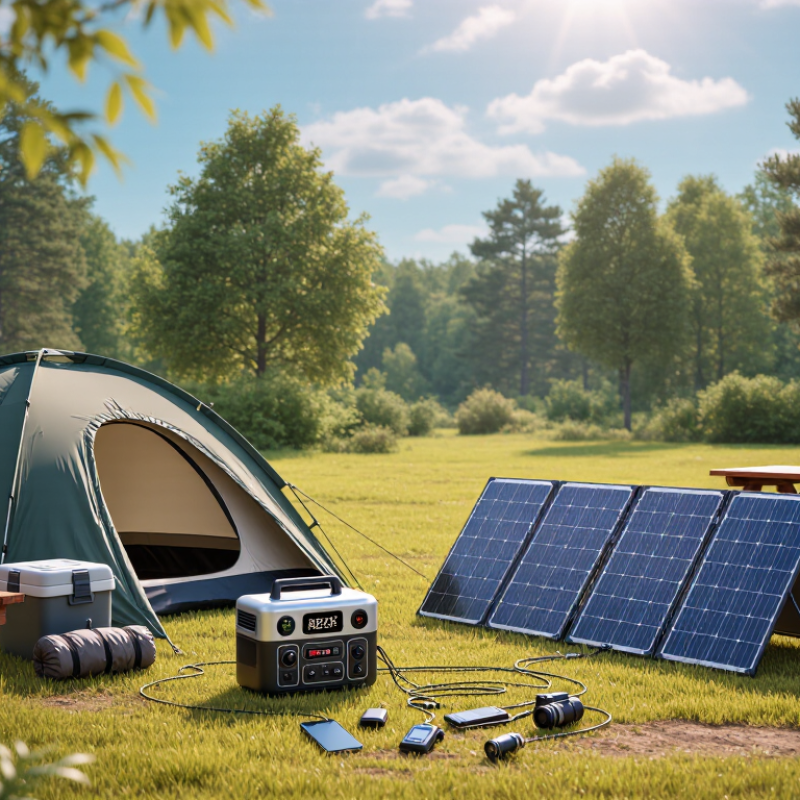
A foldable panel beside a tent can collect sunlight while breakfast is prepared. Many models use USB outputs or connect to portable power stations through regulated cables. Checking wattage, connector types, battery capacity, and charging limits remains essential. A panel rated at 100 watts may produce less energy under clouds, angled sunlight, dust, or partial shade. Real conditions matter.
Experienced campers often place panels facing the strongest midday light. They also keep cables dry and inspect connectors before every trip. These habits improve safety and extend equipment life. However, solar charging is not always fast. A large battery may need several clear hours, and a storm can disrupt the entire plan. That limitation deserves honest attention.
Portable solar technology continues to improve, yet no setup replaces careful energy planning. A power budget should match actual needs, not optimistic assumptions. Charging a phone requires far less energy than running a cooler overnight. Reliable outdoor guidance should reflect manufacturer instructions, tested specifications, and real campsite conditions. With sensible expectations, Portable Solar Panels For Camping can reduce fuel use, simplify off-grid travel, and provide quiet power when comfort and communication matter most.
What Portable Solar Panels Are and How They Work
Portable solar panels turn sunlight into usable electricity through photovoltaic cells. These cells produce direct current when light reaches their surface. A charge controller manages that current before it enters a battery or portable power station. An inverter may then convert stored power into household-style alternating current.
For camping, this system can recharge phones, lamps, cameras, and small medical devices away from fixed outlets. Panels work best under clear sunlight, with the surface facing the sun directly. Shade, clouds, dust, and poor positioning reduce output. The wattage printed on a panel reflects controlled testing, not every campsite. I would not treat that number as a promise. In real use, charging may take longer than expected, especially during winter or under tree cover. Check the panel’s voltage, connectors, and controller compatibility before connecting equipment. Reliable specifications matter more than impressive claims.
Tips: Place the panel on a stable, dry surface. Reposition it every few hours for stronger sunlight. Keep cables away from walking paths. Do not charge damaged batteries. Pack a small backup power source, because weather can change quickly. Even careful planning has limits.
Key Benefits of Using Solar Panels While Camping
Portable solar panels make camping quieter and more flexible. They produce electricity without fuel, exhaust fumes, or engine noise. That matters beside a tent, especially during early mornings.
The International Energy Agency reported that solar power supplied about 75% of new global renewable capacity in 2023.
This growth reflects improving efficiency and wider practical use. At camp, sunlight can recharge a battery for phones, lamps, cameras, or emergency radios. A folded panel also stores more easily than a fuel generator.
The benefits depend heavily on conditions. A shaded forest, low winter sun, or cloudy afternoon can reduce output sharply. The National Renewable Energy Laboratory’s PVWatts guidance shows that sunlight, panel angle, temperature, and system losses affect real production.
In practice, placing a panel on a bright rock may work better than leaving it beside the tent. I would still carry a charged battery. Relying only on direct sunlight feels optimistic.
NREL life-cycle research places solar electricity far below fossil-fuel generation for greenhouse-gas emissions, with utility-scale photovoltaic estimates near 40 grams of CO2 equivalent per kilowatt-hour. Portable systems are smaller, but the principle remains useful. They offer clean, quiet charging while preserving fuel for situations when weather refuses to cooperate.
How to Choose the Right Portable Solar Panel
Why Choose Portable Solar Panels for Camping?
How to Choose the Right Portable Solar Panel
Choosing a portable solar panel starts with your power needs, not its advertised wattage. List each device, its battery size, and how often you will recharge it. A phone needs little energy, while a camera battery or portable cooler needs considerably more. I once carried a large panel for a weekend trip and used only a fraction of its capacity. It was reliable, but unnecessarily heavy.
Weight matters. For backpacking, choose a compact panel that fits inside your pack without bending. For car camping, a larger folding model may provide better output. Check the rated wattage, but remember that sunlight, temperature, and panel angle reduce real performance. Clouds change everything. A panel rated at 100 watts may produce far less during a hazy afternoon.
Examine the connections carefully. The panel should match your power station or charging controller, including voltage and connector type. Built-in USB ports can simplify phone charging, but they may charge slowly under weak sunlight. Look for sturdy hinges, sealed edges, and clear safety instructions. Water resistance helps with damp grass, though it does not mean the panel belongs in heavy rain. Place it away from shade, leaves, and foot traffic. I still sometimes set panels at a poor angle, especially when camp setup becomes rushed. That small mistake can waste hours of useful sunlight.
Setting Up and Using Solar Panels at a Campsite
Portable solar panels make camping power quieter and more independent, but setup determines their real performance. Choose an open, stable area with direct sunlight from late morning through afternoon. Avoid tree shadows, even small ones. A shaded corner can reduce output sharply.
Place the panel facing the strongest sunlight, then adjust it every few hours. Keep the cable short and away from walking paths. Connect the panel to a compatible charge controller before attaching the battery. This order helps prevent connection errors. The NREL PVWatts documentation applies a default 14% system-loss assumption for many photovoltaic estimates, so advertised output is rarely the energy you receive at camp. Dust, heat, clouds, and cable resistance add losses.
Use a battery with enough capacity for your lights, phone, and emergency radio. Check its voltage, charging limits, and weather protection before departure. The IEA PVPS Trends 2024 report recorded more than 1.6 terawatts of global solar capacity by the end of 2023, but campsite systems remain much smaller and less predictable. Keep charging equipment dry and ventilated. Never cover a warm battery.
I still plan too optimistically on cloudy days. That is the weak point. Charge essential devices early, store energy before sunset, and carry a small backup power source. Ten minutes of shade can matter.
| Camping Solar Option | Typical Rated Output | Approximate Weight | Best Use at a Campsite | Estimated Daily Energy in Good Sun | Typical Setup Time | Advantages | Important Considerations |
|---|---|---|---|---|---|---|---|
| Small folding panel | 20–40 W | 1–3 kg | Charging phones, GPS units, cameras, and small power banks | 60–160 Wh/day | 2–5 minutes | Lightweight, easy to pack, and suitable for short trips | Limited output; charging slows considerably in shade or cloudy weather |
| Medium folding panel | 60–100 W | 3–7 kg | Supporting several personal devices and a small portable power station | 180–400 Wh/day | 5–10 minutes | Good balance between portability and useful charging capacity | Needs a stable, unobstructed location and regular repositioning |
| Large portable panel | 120–200 W | 6–13 kg | Recharging a medium-sized power station for lights, fans, laptops, or camera equipment | 360–800 Wh/day | 8–15 minutes | Higher energy production for longer stays and larger loads | Bulkier to transport; anchoring is recommended in windy conditions |
| Rigid framed portable panel | 100–200 W | 8–18 kg | Frequent car camping where durability and repeated outdoor use are priorities | 300–800 Wh/day | 10–20 minutes | Strong frame, good ventilation, and generally longer physical service life | Less convenient for backpacking and more difficult to store |
| Portable panel with a power station | 80–200 W panel paired with a 300–1,000 Wh battery | 10–25 kg combined | Multi-day camping with lighting, phones, laptops, cameras, or small low-wattage appliances | 300–800 Wh/day input in good sun | 10–20 minutes | Stores energy for nighttime and provides regulated charging ports | Conversion and battery losses reduce the usable energy; check input limits |
| Direct USB solar charging | 5–20 W practical device charging | 0.3–1.5 kg | Emergency phone charging or topping up a small power bank during daylight | 15–80 Wh/day | 2–5 minutes | Simple system with minimal equipment and low carrying weight | Output can fluctuate, so some devices may stop and restart during passing clouds |
| Solar panel with a charge controller | 50–200 W panel system | 4–16 kg, excluding battery | Charging a 12 V battery used for lights, refrigeration, or other campsite equipment | 150–800 Wh/day | 10–25 minutes | Provides controlled charging and supports larger off-grid electrical systems | Requires compatible voltage, connectors, fuses, and correct battery settings |
| Recommended panel angle | Face the panel toward the sun; adjust during the day | Not applicable | Improving energy collection at a fixed campsite | Often 10–30% better than a poorly oriented panel | 2–5 minutes per adjustment | Improves output without adding more panels | Keep the surface free of leaves, dirt, and shadows from trees or tents |
| Realistic energy planning | Use the panel rating as a maximum, not a guaranteed output | Not applicable | Estimating whether solar power can meet daily camping needs | Actual production depends on sunlight, temperature, shading, angle, and conversion losses | Review once each day | Helps prevent battery depletion and unrealistic charging expectations | Allow extra capacity for cloudy weather and higher-than-expected consumption |
Safety, Maintenance, and Charging Limitations
Why Choose Portable Solar Panels for Camping?
Portable solar panels can make camping quieter and reduce dependence on fuel generators. Their safety depends on placement, wiring, weather, and battery handling. I place panels on stable ground, away from tent fabric and cooking areas. A loose cable can catch a boot or pull a battery from a table. Keep connectors dry. Never charge a damaged, swollen, or unusually hot battery. That warning sounds obvious. It is easy to ignore after a long hike.
Dust, sand, and bird droppings reduce output, so inspect the surface each morning. I use a soft, dry cloth first, then a slightly damp one when needed. Harsh cleaners may damage protective coatings and seals. Fold panels only along their designed hinges. Repeatedly bending cables near connectors can cause hidden breaks. Store everything dry and loosely coiled. I once packed a damp cable and found corrosion later. Small habits matter more than expected.
Clouds, shade, low sun angles, and short winter days can sharply reduce charging speed. Rated wattage is not a promise at the campsite. A panel may produce little power beneath tree cover, even in bright weather. Use a suitable charge controller and follow the battery maker’s instructions. Avoid leaving charging equipment unattended for long periods. Large batteries may need many hours, while phones can charge slowly. I sometimes plan too tightly and regret it. A charged backup helps with essential communication, though it adds weight.
Why Choose Portable Solar Panels for Camping?
Portable solar panels provide quiet, fuel-free charging at camp. The chart estimates usable energy from common panel ratings during one clear day.
Estimates assume 4 peak-sun hours per day and 20% total losses from temperature, cable resistance, controller conversion, and changing sunlight. Actual output can be lower in cloudy weather, shade, winter conditions, or when the panel is not aimed toward the sun.
- Safety: Keep panels, connectors, and power stations dry unless they are specifically rated for wet conditions. Avoid damaged cables, covered ventilation openings, and unattended charging in extreme heat.
- Maintenance: Keep the panel surface clean, inspect cables regularly, and store the folded panel in a dry place away from sharp objects.
- Charging limitations: Solar charging is intermittent. Shade, clouds, poor positioning, and limited daylight reduce charging speed, so a battery may require more than one day to fully recharge.
