What is a Vertical Expander Machine and How Does it Work?
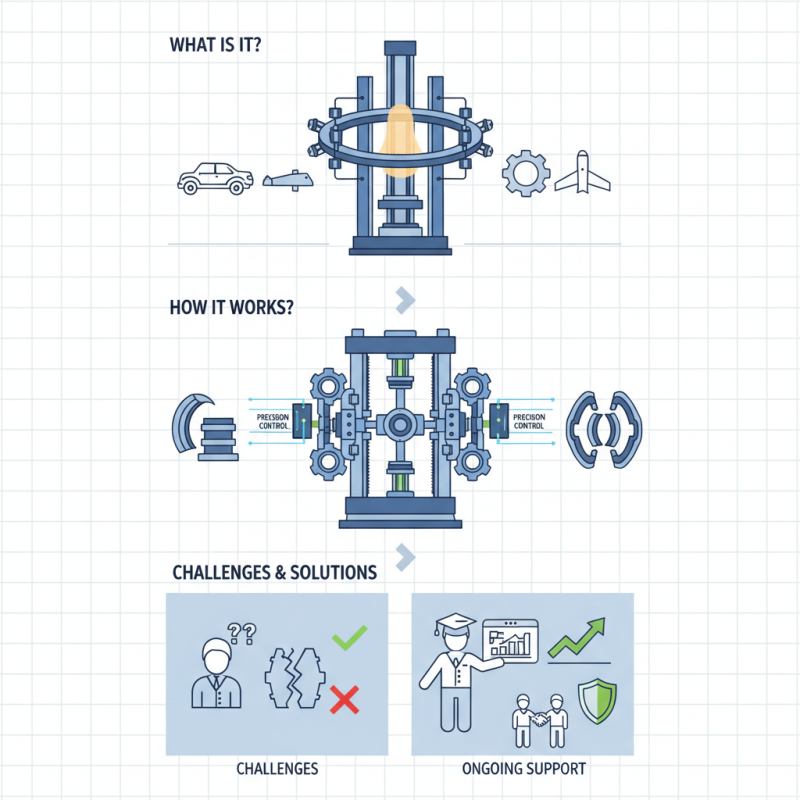
A Vertical Expander Machine is a specialized tool used in various manufacturing processes. Its primary function is to stretch and shape materials, ensuring they meet specific dimensions and tolerances. This machine often plays a crucial role in industries like automotive, aerospace, and general engineering.
The operating mechanism of the Vertical Expander Machine involves precise control over the expansion process. This precision helps manufacturers create high-quality products while minimizing waste. Understanding how this machine operates can improve efficiency in production lines.
However, the complexity of its operation can lead to challenges. Operators need thorough training to avoid mistakes. Minor errors can result in significant imperfections. Therefore, ongoing education and support are essential for optimizing the use of a Vertical Expander Machine in any production setting.
What is a Vertical Expander Machine?
A vertical expander machine is an essential tool in various manufacturing processes. It is primarily designed to increase the size of particular materials or components efficiently. The machine uses a combination of mechanical action and hydraulic forces. This allows for the expansion of materials like metals and polymers, ensuring precise tolerances.
Data from industry reports indicate that the vertical expander market is projected to grow at a compound annual growth rate (CAGR) of 5.6% from 2022 to 2028. This growth can be attributed to the increasing demand for customized parts in industries like aerospace and automotive. For example, vertical expanders enable manufacturers to produce lightweight yet strong materials, crucial for fuel efficiency and performance.
The operation of a vertical expander involves several critical steps, including feeding the raw material into the machine, applying force, and managing the cooling process. Flaws in the setup can result in uneven expansion. This highlights the importance of skilled operators. A well-maintained machine can significantly reduce waste and improve production rates, but operators must remain vigilant regarding adjustments and potential malfunctions.
Constant training and awareness are crucial for maintaining quality standards.
Key Components of a Vertical Expander Machine
A vertical expander machine plays a crucial role in various manufacturing sectors. Understanding its key components is essential for efficiency and performance. The primary components include the expander barrel, rotor, and drive system. Each part must work in harmony for the machine to function effectively.
The expander barrel is where the initial processing occurs. It is designed to withstand high pressures and temperatures. Reports indicate that the barrel's durability can affect the overall lifespan of the machine significantly. A well-maintained barrel can last over a decade, showing the importance of quality materials and regular maintenance.
The rotor, essential for material mixing and expansion, is often crafted from specialized alloys. This component must be precisely engineered. Reports suggest that even minor deviations in rotor design can lead to inefficiencies. Users frequently note how slight variances in rotor speed impact output quality. Additionally, the drive system ensures optimal energy consumption. Data indicates that an efficient drive can reduce energy costs by up to 20%. This highlights the importance of investing in high-quality components for .
How Does a Vertical Expander Machine Function?
A vertical expander machine is essential in various manufacturing processes, particularly for expanding and shaping materials. Its primary function revolves around manipulating metal or plastic components into desired dimensions. By using vertical movements, the machine can deliver precise expansion, ensuring the integrity of the material is maintained.
The expander works through a series of controlled mechanical actions. A material is placed into a chamber where vertical pins or blades engage. These elements push outward against the material, initiating the expansion process. This operation requires significant expertise to ensure the right amount of force is applied, preventing material rupture. Over time, operators have noted that miscalibrated machines can lead to defects, emphasizing the need for regular maintenance and checks.
Operators often visualize their ideal outcomes when using these machines. However, achieving perfect results isn't always possible. Variations in material properties can lead to unexpected results. Reflecting on these challenges helps technicians improve their skills and the machine's calibration. Hence, continuous learning is key for anyone working with a vertical expander machine.
Applications of Vertical Expander Machines in Industry
Vertical expander machines play a crucial role in various industries by enhancing efficiency and optimizing processes. These machines are particularly valuable in the food and beverage sector, where they assist in the production of items like snacks and frozen foods. According to a 2021 industry report by Research And Markets, the global vertical expander machine market is projected to grow at a CAGR of 6.5% between 2022 and 2027. This growth is driven by the increasing demand for high-quality processed foods.
In the textile industry, vertical expanders are utilized to improve fiber treatment and dyeing processes. Efficient expanders minimize fiber damage, ensuring better yarn quality and texture. A case study from the Textile World highlights how one manufacturing plant boosted production speeds by 20% after integrating a new expander model. This showcases the machine's ability to adapt to industry needs.
Despite their advantages, some users report challenges with maintenance and setup. Proper training is essential to maximize machine performance. Misalignment during installation can lead to operational inefficiencies. Therefore, it's important for operators to regularly assess machine conditions. Overall, vertical expanders represent a significant advancement in industrial processing, yet they require a commitment to best practices for optimal results.
Applications of Vertical Expander Machines in Industry
Benefits of Using Vertical Expander Machines in Manufacturing
Vertical Expander Machines play a crucial role in manufacturing processes. These machines enhance operational efficiency by expanding and shaping materials without excessive heat or force. The benefits they provide are significant for manufacturing industries focused on precision and sustainability. According to industry reports, using vertical expanders can increase productivity by up to 25%, demonstrating a clear advantage in output delivery.
One notable benefit is material conservation. Vertical expanders optimize the use of raw materials by minimizing waste, which is critical in today’s environmentally conscious market. Manufacturers save costs on raw materials while reducing their carbon footprint. This aligns with data from the National Association of Manufacturers, highlighting that 80% of manufacturers aim to improve sustainability in their production lines.
Tips: Regular maintenance of your vertical expander is essential. This ensures consistent performance and longevity. Operators should receive updated training to adapt to evolving technologies. Pay attention to any unusual noises or vibrations; they could signal potential issues. Engaging employees in efficiency discussions can foster innovation and improve the machine's use.