Why is Overflow Valve Block Essential for System Safety?
The Overflow Valve Block plays a crucial role in maintaining system safety across various industries. This component acts as a safeguard against excessive pressure. When a system overpressurizes, the Overflow Valve Block automatically activates. It prevents potential hazards that could arise from pressure build-up.
In hydraulic systems, for example, these blocks are vital. They help maintain optimal performance and protect critical machinery. When the pressure exceeds a preset limit, the valve opens, directing fluid away. This action averts dangerous situations like ruptures and equipment failures.
Yet, many overlook the importance of the Overflow Valve Block. Some may underestimate potential risks associated with its failure. Regular maintenance and inspection are essential. Without proper care, the system could become vulnerable. A minor oversight can lead to catastrophic results. It is essential to recognize that safety depends on every component's reliability.
Overview of Overflow Valve Block Functionality
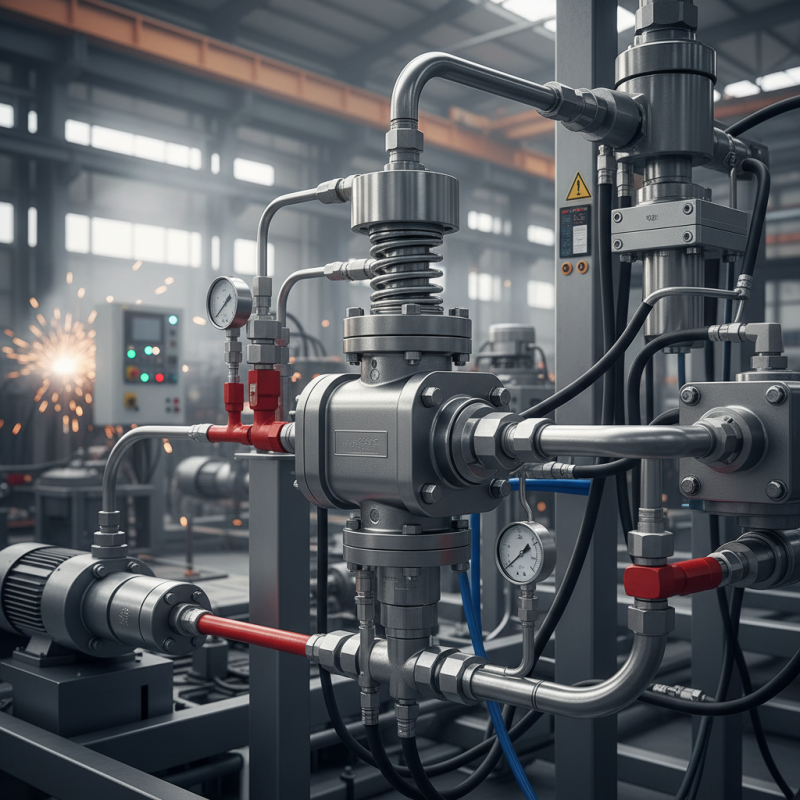
The overflow valve block is crucial for maintaining system safety. It acts as a pressure relief device. When the hydraulic system experiences excessive pressure, this valve opens. It allows the fluid to escape safely. This prevents damage to other components. However, the effectiveness of the overflow valve block relies on proper maintenance.
Regular inspection is vital. Any debris can clog the valve, leading to system failures. Blocked valves do not open when needed. This can result in catastrophic equipment damage. Operators should monitor the system regularly. Attention to detail in these checks can prevent accidents.
The design of the overflow valve block can be complex. Different systems require specific configurations. Not every design is foolproof. Sometimes, flaws can go unnoticed. It's important to reflect on the design's effectiveness. Learning from failures leads to better safety measures. Regularly updating safety protocols is necessary for optimal performance.
Why is Overflow Valve Block Essential for System Safety? - Overview of Overflow Valve Block Functionality
| Feature | Description | Importance | Applications |
| Pressure Regulation | Maintains system pressure within safe limits by releasing excess fluid. | Prevents damage to components and ensures operational reliability. | Hydraulic systems, oil and gas applications. |
| Safety Function | Activates under excessive pressure to safeguard system integrity. | Critical for preventing catastrophic failures and ensuring safe operation. | Industrial machinery, automotive sectors. |
| Response Time | Quickly reacts to pressure increases, facilitating immediate relief. | Ensures prompt protection against pressure spikes. | High-pressure systems, emergency relief setups. |
| Material Durability | Constructed from robust materials to withstand harsh environments. | Enhances lifespan and reliability of the valve block. | Marine applications, chemical processing. |
| Maintenance | Requires regular checks and potential replacement of seals and gaskets. | Ensures continued effective operation and safety compliance. | Ongoing operational maintenance in various industries. |
Importance of Safety Mechanisms in Fluid Systems
The importance of safety mechanisms in fluid systems cannot be overstated. These systems are often under significant pressure. A failure can lead to catastrophic results. Overflow valves are critical components of these safety systems. They prevent pressure build-up by diverting excess fluid. This process helps in maintaining stability and safety.
Without a proper overflow valve, the system risks damage. Fluid can leak or spray out unexpectedly. This not only harms the equipment but also poses dangers to personnel nearby. Inadequate safety measures can lead to costly repairs and injuries. Regular inspections and maintenance of these valves are essential. They should be prioritized to ensure they are functioning correctly.
However, maintenance is often neglected. It’s easy to overlook these small yet vital components. Some might think, "It’s working, so why check?" This mindset could lead to failure when least expected. Investing time and resources to inspect overflow valves can save lives and prevent disasters. Everyone involved in fluid systems must recognize their role in promoting safety.
Consequences of Overflow in Industrial Equipment
Overflow in industrial equipment can lead to severe consequences. When systems exceed their designed pressure or fluid levels, it can result in catastrophic failures. Equipment damage may occur, leading to costly repairs. In some cases, hazardous materials can leak, creating unsafe work environments. Injuries or even fatalities may follow.
Properly functioning overflow valve blocks play a critical role in preventing these disasters. They act as safety devices that redirect excess fluids safely. Without them, overflow conditions can escalate quickly. This is particularly crucial in high-pressure environments where minor failures can have major implications. Regular inspection and maintenance of these valves are essential for operational safety.
Tip: Always monitor system pressure. Implement routine checks to catch any abnormalities early. Train your team to recognize signs of potential overflow to enhance safety. Staying proactive can save time, expenses, and lives. Be aware that even small leaks can indicate larger issues. Addressing these promptly is key to maintaining a safe workplace.
Consequences of Overflow in Industrial Equipment
Key Features of Effective Overflow Valve Blocks
Overflow valve blocks are critical for maintaining system safety. They play a vital role in regulating pressure. An effective block prevents over-pressurization and potential system failures. This feature is crucial in hydraulic and pneumatic systems, where pressure fluctuations can cause catastrophic damage.
One key feature of effective overflow valve blocks is their responsiveness. They need to react quickly to changes in pressure. A slow response can lead to severe consequences. Additionally, the design should allow for easy maintenance. Regular inspection is necessary to ensure optimal performance. Some blocks may wear out or become inefficient over time.
Another important aspect is the material used in construction. High-quality materials enhance durability and resistance to wear. Corrosion-resistant options are also essential, especially in harsh environments. The block should have a clear visual indicator of pressure levels. This helps operators monitor and determine if adjustments are needed. Each of these features plays a role in preventing system failure and ensuring safety. However, it’s crucial to review and assess these features regularly.
Maintenance Practices for Ensuring Overflow Valve Efficiency
Proper maintenance of overflow valves is crucial for operational efficiency. Reports indicate that nearly 30% of system failures are linked to valve issues. Regular inspection can prevent costly downtime. It's vital to monitor for signs of wear, such as leaks or pressure inconsistencies. These indicators often signal that a valve may not perform optimally.
Routine maintenance practices include cleaning, testing, and replacing seals. Many industry experts recommend a bi-annual checkup. This ensures the valves are functioning within their specified parameters. Ignoring maintenance can lead to serious risks. Data shows that about 25% of valve failures occur due to lack of upkeep. Operators should encourage a proactive maintenance culture among staff.
Regular training sessions can elevate understanding. Operators should learn when to replace parts. Over time, wear and tear can reduce efficiency. Simple metrics, like pressure drop readings, serve as essential indicators. By fostering a culture of vigilance, organizations can enhance safety and efficiency.