2026 How to Optimize Industrial Racking for Your Warehouse Efficiency?
Industrial racking plays a crucial role in warehouse efficiency. It influences how products are stored and accessed. Optimizing your racking system can lead to significant improvements in operations.
In today’s competitive environment, every inch of warehouse space counts. Efficient industrial racking can maximize storage capacity. Choosing the right type of racking impacts not only storage but also safety. However, many warehouses overlook this aspect. They may have outdated racking systems that hinder workflow and create risks.
Moreover, poorly designed racking can lead to inefficiencies. Employees may waste time searching for items. Broken or unstable racks can cause accidents. Addressing these issues requires a thoughtful approach. Understanding your specific needs is essential. In 2026, businesses must rethink their racking strategies. Finding the right solutions could drastically enhance productivity.
Understanding the Basics of Industrial Racking Systems
Industrial racking systems are essential for warehousing efficiency. They maximize vertical space, allowing for more storage without expanding the floor area. People often overlook the importance of choosing the right type of racking. Each warehouse has unique requirements. A proper understanding of these systems can lead to improved organization and productivity.
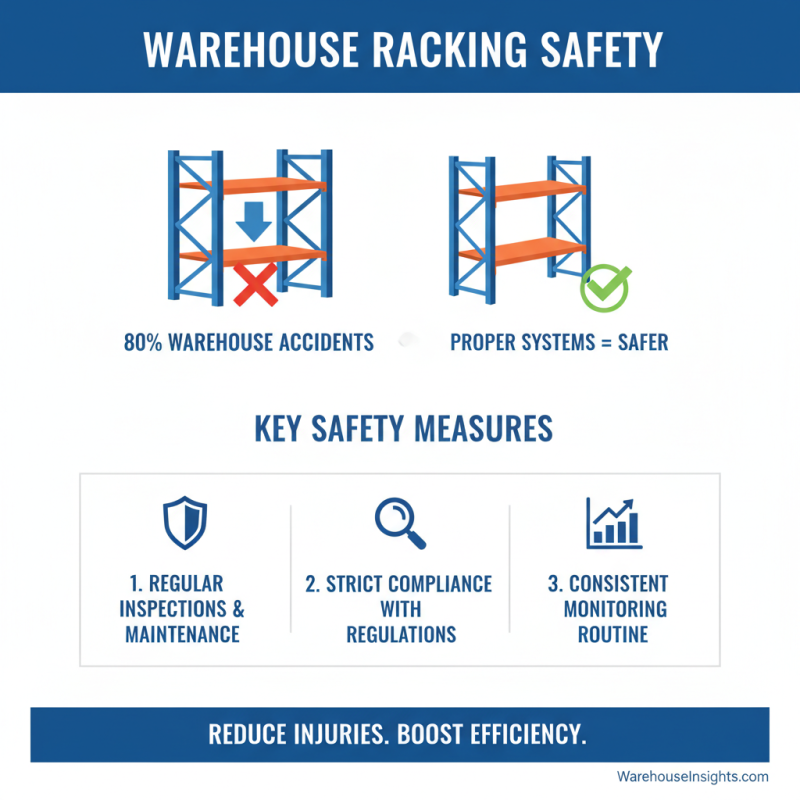
Consider the pallet racking option. It’s commonly used, providing easy access to goods. However, many facilities fall into the trap of overcrowding. When pallets are stacked too high or too close together, it can lead to safety issues. Workers may find it difficult to reach items, causing delays. Improper organization can also lead to product damage.
One might also explore adjustable racking. This option allows flexibility in shelf heights. It adapts to different product sizes over time. Yet, constant adjustments can waste time and confuse staff. Training employees on the best use of these systems is often neglected. A lack of proper training can counteract the potential benefits of an optimized racking system.
2026 How to Optimize Industrial Racking for Your Warehouse Efficiency?
| Racking Type |
Load Capacity (lbs) |
Cost per Unit ($) |
Storage Density |
Ideal Warehouse Size (sq ft) |
| Selective Racking |
3,000 |
150 |
Low |
10,000 |
| Drive-In Racking |
4,000 |
200 |
High |
15,000 |
| Cantilever Racking |
5,000 |
250 |
Medium |
12,000 |
| Pallet Flow Racking |
4,500 |
180 |
Very High |
20,000 |
| Shelving Units |
1,500 |
100 |
Low |
5,000 |
Assessing Your Warehouse Layout for Optimal Racking Design
When optimizing your warehouse for racking design, layout is crucial. Start by evaluating the flow of goods. Ensure that walkways are clear and accessible. A well-planned layout can reduce time spent retrieving products. Understanding your inventory types is vital. Are you storing bulky items or small parts? This will dictate your racking choice.
Consider vertical space utilization. Higher racks can maximize storage but may complicate retrieval. Balance is necessary here. Safety should never be compromised for efficiency. Ensure staff can safely access all levels. Think about the overall workflow, too. Is it intuitive? Sometimes a design that seems efficient may actually hinder operations.
Reviewing your warehouse layout shouldn’t be a one-time task. Trends and needs change. Reflect on any frequent bottlenecks. Employees may have valuable feedback. They encounter challenges daily. Regular adjustments can significantly enhance your racking efficiency. Don't overlook this continuous improvement process.
Choosing the Right Type of Racking for Your Inventory Needs
Choosing the right type of racking for your inventory needs is essential for maximizing warehouse efficiency. In a 2022 report by the Warehousing Association, 40% of warehouses noted that improper racking leads to space inefficiencies. Selecting a racking system that fits your products can significantly impact your operations.
For instance, selective pallet racking is ideal for warehouses handling diverse inventory. It allows easy access to each pallet. On the other hand, drive-in racking is more suitable for high-density storage, especially for similar products. According to industry experts, using the right racking can increase storage density by up to 75%.
However, not every warehouse benefits equally from one type of racking. Some facilities may face challenges with accessibility or safety if the wrong choice is made. Significant errors can arise when prioritizing space over practicality. Reflecting on your specific needs can pinpoint the best solution. Balancing between cost, space, and functionality ensures you avoid common pitfalls.
Warehouse Racking Efficiency Optimization by Rack Type
This chart illustrates the efficiency of different types of industrial racking systems based on their storage capacity and accessibility preferences for warehouse operations.
Leveraging Technology to Enhance Racking Efficiency and Monitoring
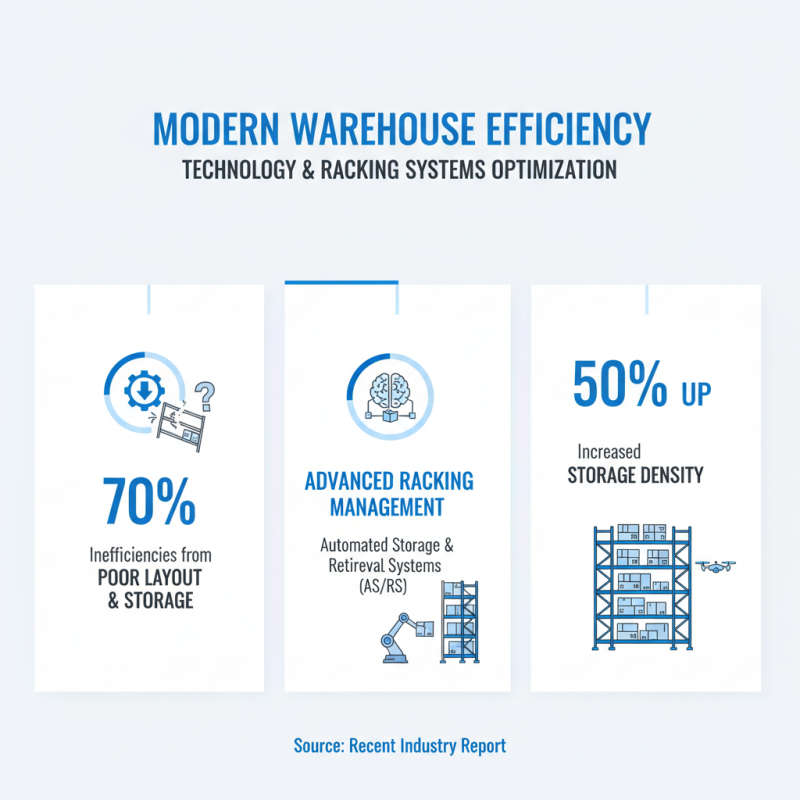
In modern warehouses, technology plays a critical role in enhancing racking efficiency. According to a recent industry report, almost 70% of warehouse inefficiencies stem from poor layout and storage systems. Advanced racking management systems can tackle this issue effectively. By utilizing automated storage and retrieval systems (AS/RS), warehouses can maximize vertical space. This technology can increase storage density by up to 50%.
Moreover, real-time monitoring through IoT devices can provide invaluable insights. These devices track inventory and racking conditions continuously. A study showed that implementing IoT solutions can reduce inventory discrepancies by over 30%. However, some facilities still resist technological integration, fearing high initial costs. This hesitance can lead to missed opportunities for operational improvements.
Data analytics also helps optimize racking strategies. Analyzing patterns can aid in determining optimal storage placements. Yet, many warehouses fail to adopt data-driven decisions. Only 40% of companies leverage analytics effectively, as per industry surveys. Embracing technology and analyzing data are not just trends; they are essential for sustained competitiveness.