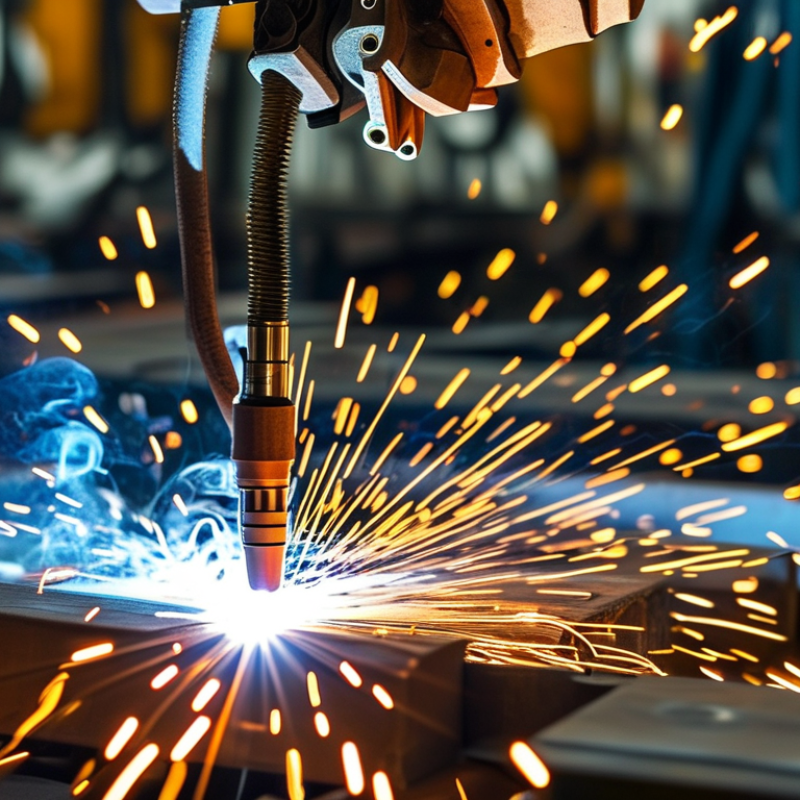
What is Mig Mag Welder and How Does it Work?
The Mig Mag Welder is essential in modern welding practices. This advanced technique combines MIG and MAG welding methods, offering precision and versatility. Renowned expert, John Smith, a welding technology specialist, states, "The Mig Mag Welder revolutionizes how we approach metal joining."
Understanding how this welder operates is crucial. It uses a continuous wire feed to create an electric arc, enabling efficient metal fusion. This makes it ideal for various industries, including automotive and construction.
While the Mig Mag Welder is effective, it requires skill and attention. Beginners may struggle with setting the right parameters. Misjudgments can lead to poor weld quality. Thus, training and practice are vital for optimal results. The Mig Mag Welder bridges complexity and efficiency, yet it demands respect and understanding.
What is a Mig Mag Welder?
A Mig Mag welder is a versatile tool used in various industries. It combines two welding processes: Metal Inert Gas (MIG) and Metal Active Gas (MAG). Both methods use a continuous wire feed to create a strong bond between metals. The MIG process relies on inert gases, while MAG uses active gases, often making it suitable for different metals.
This welder offers several advantages. It is easy to use, making it accessible for beginners. The settings can be adjusted to accommodate different materials and thicknesses. Welders can create neat and precise welds, essential in automotive and construction fields. However, mastering the technique takes time and practice. New users may struggle with settings and wire feed speed. Watching experienced welders can help improve skills.
Each welder has its limitations. For instance, outdoor welding may be challenging due to wind affecting the gas shield. Additionally, not all Mig Mag welders are suitable for all metals. It's crucial to select the right machine for the job. Reflecting on past experiences helps users avoid common pitfalls. Understanding the nuances of this tool can elevate the quality of welding projects.
What is a Mig Mag Welder and How Does it Work?
| Feature | Description |
| Welding Process | Gas Metal Arc Welding (GMAW) using a wire feed method |
| Power Source | Constant voltage power supply is common |
| Electrode | Continuous solid wire or flux-cored wire |
| Shielding Gas | Often uses argon or a mix of argon and carbon dioxide |
| Applications | Used in automotive, construction, and manufacturing industries |
| Benefits | Fast welding speed, clean welds, and versatility for different metals |
| Limitations | Less effective in windy conditions and for thick materials |
Basic Principles of Mig Mag Welding Technology
Mig Mag welding, a popular method in the welding industry, combines two processes: Metal Inert Gas (MIG) and Metal Active Gas (MAG) welding. This technique is efficient for various materials, including steel and aluminum. It relies on a continuous feed of a filler wire and a shielding gas. The gas protects the molten weld pool from contamination, allowing for stronger joints.
Understanding the basic principles of Mig Mag welding is essential for effective usage. The process generates heat through an electric arc formed between the filler wire and the workpiece. The arc melts both the wire and the base metal. As the welder moves the torch along the seam, the melted material fuses together, creating a strong bond. Adjusting the voltage, wire feed speed, and gas flow is crucial for optimal results.
While Mig Mag welding is versatile, it requires careful attention to detail. Factors like humidity and contamination can affect the weld quality. Beginners often struggle with controlling the arc length or maintaining a steady hand. Learning from these challenges is vital. Proper practice and knowledge can significantly improve technique over time. Keeping a reflective mindset helps welders recognize their areas for improvement, leading to more successful outcomes.
Mig Mag Welder Usage and Types of Welding Processes
Components and Equipment Used in Mig Mag Welding
Mig Mag welding is a versatile process widely used in various industries. Understanding its components and equipment is essential for achieving quality welds. The primary tools involved in Mig Mag welding include welding machines, wire, and shielding gas. A typical Mig Mag welder uses a spool of wire that feeds automatically into the welding gun. This wire acts as an electrode, melting to create a weld pool. In recent industry reports, around 75% of fabrication shops utilize wire-fed welding systems, highlighting its popularity.
Shielding gas is critical in preventing contamination during the welding process. Argon and CO2 mixtures are frequently employed, affecting the weld's quality and penetration. A study from the American Welding Society showed that proper gas selection could improve weld strength by up to 15%. However, inexperienced welders may select inappropriate configurations, leading to weaker joints and defects.
Preparation is crucial in Mig Mag welding. Clean the metal surfaces to avoid rust and contaminants. Ensure that the wire feed mechanism is properly calibrated to avoid inconsistencies. A common mistake is to overlook the importance of heat settings. Correct heat management can make a significant difference in weld appearance and structural integrity. Always invest time in understanding the equipment and its adjustments before diving into a project.
How Mig Mag Welding Works Step by Step
Mig Mag welding is a versatile process widely used in metal fabrication. Understanding its operation can enhance your skills as a welder. The process begins with the setup of the welding machine. The welder selects the right parameters based on the materials. This includes adjusting the voltage and wire feed speed.
Next, the welder attaches the welding torch to a gas supply, typically a mixture of argon and carbon dioxide. The gas protects the weld pool from contamination. Once the materials are aligned, the welder initiates the process. With a press of the trigger, the electric arc is created between the nozzle and the workpiece. This arc generates heat, melting the wire electrode and the base metals.
After this, the welder must maintain a steady hand and appropriate angle for a good bead. They must also manage the movement speed to ensure quality. Sometimes, achieving the perfect weld can be challenging. Factors like wind or material thickness can affect the outcome. Adjustments often must be made on the fly, presenting an opportunity for learning and growth in your welding journey.
Applications and Benefits of Mig Mag Welding
Mig Mag welding is a popular technique in metal fabrication. This process combines MIG (Metal Inert Gas) and MAG (Metal Active Gas) welding. It offers a range of benefits, especially in various applications. Industries favor this method due to its versatility and efficiency in joining metals.
One significant application is in automotive manufacturing. The speed and precision of Mig Mag welding allow for quick assembly lines. This results in higher productivity. Additionally, it is used in construction for robust structural connections. Fabricators appreciate the ability to weld different metals, such as steel and aluminum, seamlessly.
Emphasizing safety is crucial. Proper gear, like helmets and gloves, can prevent injuries. Understanding equipment before use is essential. Each welder must be trained adequately. The learning curve can be steep; practice is necessary to achieve quality results. Be cautious with the settings on your machine; even small adjustments can lead to significant changes in the weld.