Why Are Ball Bearings Important for Mechanical Systems?
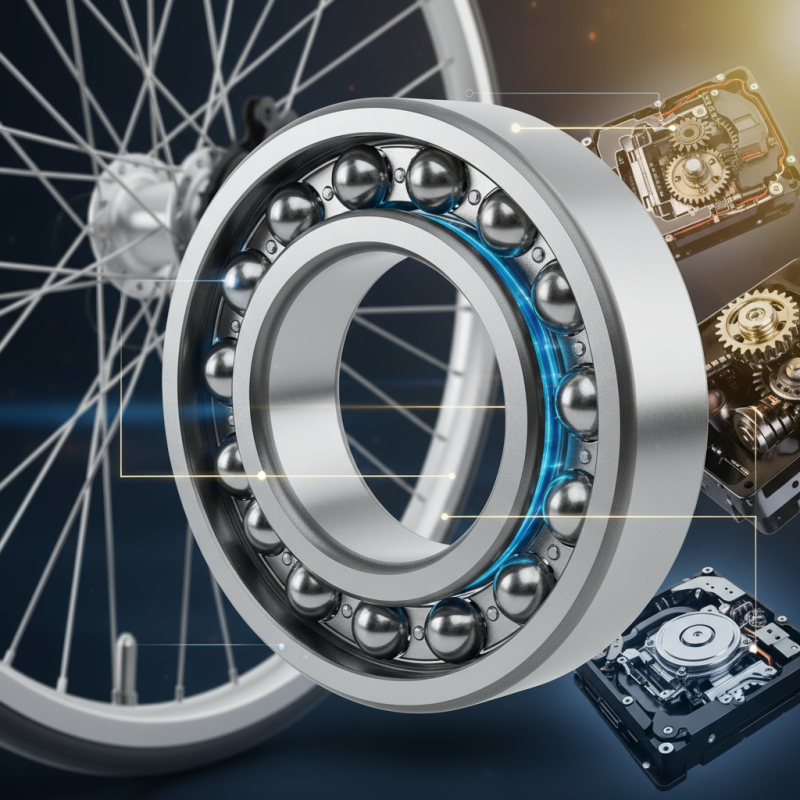
Ball Bearings play a crucial role in mechanical systems. They reduce friction between moving parts, enhancing efficiency. A ball bearing is a type of rolling-element bearing that uses balls to maintain the separation between moving parts. This design allows for smooth rotation and minimal resistance.
In everyday applications, ball bearings can be found in machines, vehicles, and electronics. For instance, the wheels of a bicycle utilize them to ensure a smooth ride. However, not all ball bearings are created equal. Some may wear out faster than others, particularly under heavy loads. This inconsistency raises questions about durability and reliability.
The importance of ball bearings cannot be overlooked. They are vital for ensuring longevity and performance in various devices. Still, manufacturers face challenges in choosing the right type and material. Understanding these factors is essential for optimal functioning. Ball bearings might seem simple, but their impact is profound.
The Role of Ball Bearings in Reducing Friction in Mechanical Systems
Ball bearings play a crucial role in mechanical systems. They effectively reduce friction, which is vital for smooth operation. High friction leads to energy loss, increased wear, and potential system failure. In fact, studies show that about 30% of energy in machinery can be wasted due to friction. This makes ball bearings indispensable.
When ball bearings are used, they minimize the surface contact between moving parts. They allow for greater efficiency and longevity in machines. For example, in an electric motor, ball bearings can enhance performance by 10%. However, improper lubrication can compromise their effectiveness. Many users overlook this aspect.
Tips: Regular maintenance is key. Check lubrication levels often. This will ensure optimal performance. Additionally, be mindful of the load ratings of your bearings. Overloading may lead to premature failure.
Ball bearings come in various sizes and materials, depending on the application. Steel and ceramic are common choices. Yet, each material has its benefits and limitations. Some environments may cause corrosion or damage to bearings. Understanding these nuances can make a difference. Always consider your specific needs when selecting ball bearings for mechanical systems.
Importance of Ball Bearings in Mechanical Systems
This chart illustrates the key factors guiding the importance of ball bearings in mechanical systems. Ball bearings significantly reduce friction (85%), distribute loads effectively (70%), enhance durability (90%), improve system efficiency (80%), and are associated with maintenance costs (60%). These factors highlight the integral role ball bearings play in optimizing mechanical functionality.
Types of Ball Bearings and Their Applications in Various Industries
Ball bearings play a crucial role in many mechanical systems. Their design minimizes friction, increasing efficiency. Various types exist, each serving different purposes. For instance, deep groove ball bearings are versatile in applications ranging from automotive to industrial machinery. According to the Global Ball Bearings Market report, the demand for these bearings reached 18 billion units in 2022.
Roller bearings also have significant applications. They distribute loads effectively, making them ideal for heavy machinery in construction and mining. Thrust ball bearings are essential in applications requiring high axial loads, such as turbines. The market for thrust bearings alone is projected to grow significantly, reflecting their importance in energy sectors.
However, not all bearing types are perfect for every situation. Some are prone to wear and require regular maintenance. The choice of bearing must be carefully considered. For example, while ceramic bearings can improve performance in certain environments, they may be more brittle. Industry professionals must weigh these nuances to avoid costly failures during operations.
How Ball Bearings Improve Efficiency and Longevity of Machinery
Ball bearings play a crucial role in enhancing the efficiency and longevity of mechanical systems. These small components reduce friction between moving parts. A report from the American Society of Mechanical Engineers suggests that proper bearing selection can increase machinery lifespan by up to 30%. This statistic underscores the necessity of using quality ball bearings in equipment.
When machines operate, friction generates heat, leading to wear and tear. High-quality ball bearings distribute load effectively, minimizing resistance. An increase in efficiency can reduce energy costs significantly. For instance, machinery using optimal ball bearings can lower energy consumption by approximately 20%. However, the challenge lies in maintaining these bearings. Regular lubrication and inspection are often overlooked. Ignoring upkeep can shorten equipment life and reduce efficiency gains.
Performance issues can also arise from poor installation. Misalignment or contamination can lead to premature failure. Data shows that 40% of premature bearing failures result from improper handling. Addressing these issues is essential for maximizing the benefits of ball bearings. Investing time and resources in training staff can enhance operational efficiency, benefiting the entire mechanical system.
Factors Influencing the Performance of Ball Bearings in Mechanical Design
Ball bearings play a crucial role in various mechanical systems. Their design and performance can significantly influence the efficiency of machinery. Factors such as material choice, load ratings, and lubrication methods are vital in this context. High-quality steel or ceramic materials can improve durability. Adequate lubrication reduces friction and wear, enhancing performance.
Temperature fluctuations can impact the stability of ball bearings. At high temperatures, materials can expand. This expansion may lead to misalignment or increased wear. An industry report indicates that nearly 30% of bearing failures are due to inadequate lubrication. Regular checks can help prevent this issue.
Tip: Always choose the right lubricant for your application. Not all greases or oils are suitable for every environment.
Another factor is the precision of the bearing itself. Tolerances are critical for minimizing play and ensuring smooth operation. A deviation as small as 0.1 mm can result in substantial performance loss. It’s essential to consider both dynamic and static load capacities. Understanding these parameters can help in selecting the right bearing for your design.
Tip: Regular maintenance and monitoring can significantly extend the life of ball bearings. Don’t overlook small signs of wear. They can lead to bigger issues down the road.
Maintenance Practices for Extending the Life of Ball Bearings
Ball bearings play a crucial role in reducing friction in mechanical systems. However, their longevity often depends on proper maintenance. Regular checks are essential. Dirt and grime can accumulate, leading to damage. A simple visual inspection can help catch issues early.
Lubrication is key to extending the life of ball bearings. It reduces heat and prevents wear. Using the right type and amount of lubricant is important. Too much can attract dirt, while too little can lead to overheating. Establishing a routine schedule for lubrication is a good practice. These small actions can have a significant impact.
Vibration or noise from bearings may signal a problem. Listening closely can reveal hidden issues. Neglecting these signs can lead to costly repairs. Training staff to recognize these warning signals can improve overall system performance. In the end, taking time for maintenance can save both time and resources in the long run.