10 Essential Tips for Successful Injection Molding Products?
Injection molding is a crucial process in manufacturing a wide range of products. It involves injecting molten material into a mold, creating precise and complex parts. The success of your injection molding product relies on various factors. Understanding these elements can significantly enhance your production quality.
Achieving optimal results in this field requires expertise and thoughtful planning. Each step, from material selection to mold design, plays a vital role. Even small mistakes can lead to costly defects. Manufacturers often overlook critical aspects, leading to inefficiencies.
The journey to successful injection molding products isn't always straightforward. Continuous learning and adaptation are key. By focusing on best practices, you can navigate common challenges. This process not only streamlines production but also improves product reliability. Embracing these strategies helps build a strong foundation for your injection molding ventures.
Understanding the Basics of Injection Molding Technology
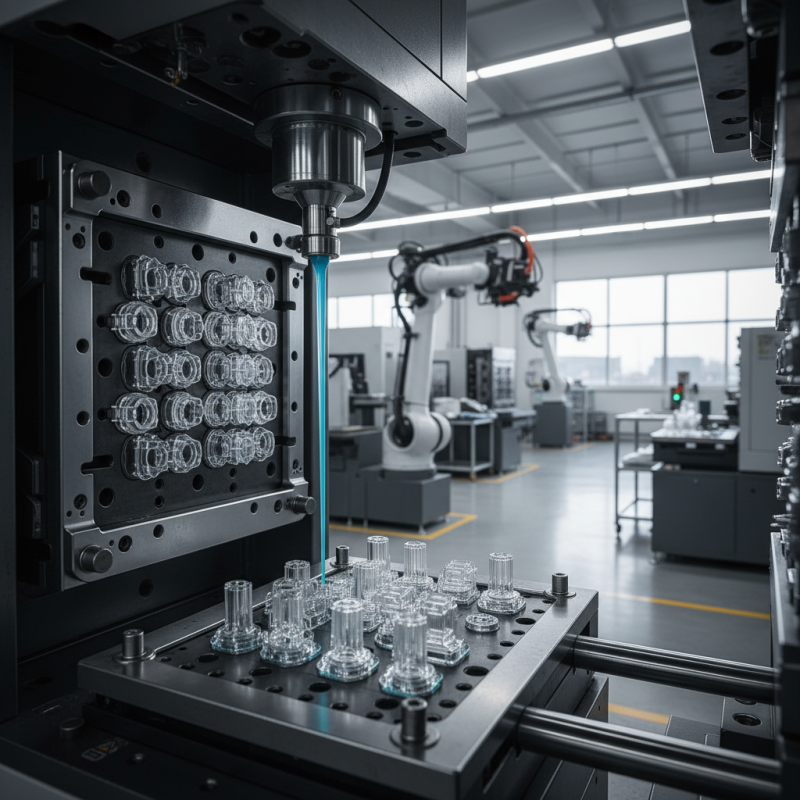
Injection molding is a crucial technology in manufacturing plastic products. This process involves injecting melted plastic into a mold, where it cools and solidifies into the desired shape. According to industry research, the global injection molding market is projected to reach $373 billion by 2028, with a compound annual growth rate (CAGR) of 5.5% from 2021 to 2028. This growth highlights the increasing demand for efficient production methods.
Key variables can significantly affect the quality of molded products. The choice of materials plays a pivotal role. Not all plastics behave the same under heat and pressure. For example, thermoplastics require precise temperature control during injection. Slight deviations can lead to defects. Another critical factor is the mold design itself. Poorly designed molds may cause uneven cooling or inadequate fill, resulting in wasted materials and time. Continuous monitoring and adjustments are essential in this phase.
Quality control is non-negotiable in injection molding. Testing finished products for strength and defects ensures consumer safety and satisfaction. Despite best efforts, defects may still occur. Understanding and analyzing these setbacks can lead to process improvements. Implementing lessons from these issues can enhance future production efficiency. Awareness of the characteristics of the injection molding process is vital for manufacturers striving for excellence.
Choosing the Right Materials for Your Injection Molding Project
Choosing the right materials for your injection molding project is crucial. The type of material affects the product's durability, aesthetics, and functionality. Common choices include thermoplastics and thermosetting plastics. Each has unique properties that influence the molding process. Understanding these materials can help avoid pitfalls.
Thermoplastics are versatile and can be reprocessed. They offer excellent impact resistance. However, they may not withstand high temperatures well. On the other hand, thermosetting plastics harden permanently during molding. They provide better heat resistance. Yet, once set, they cannot be reused. This difference can impact long-term product performance.
Selecting a material also involves balancing cost with quality. Cheaper options may seem appealing, but they could lead to product failure. Evaluating the specific requirements of your project is essential. Think about the final use of the product. Will it face stress? Will it be exposed to harsh environments? Your answers should guide your material choice. Always be prepared to reassess based on emerging needs or challenges in the production process.
10 Essential Tips for Successful Injection Molding Products
This chart illustrates the importance of different factors when choosing materials for injection molding projects. The data represents a survey of product designers who ranked various criteria based on their significance on a scale of 1 to 10.
Design Considerations for Effective Injection Molding
Designing products for successful injection molding requires careful consideration. One crucial aspect is the part geometry. Complex shapes can lead to problems during manufacturing. Simpler designs often yield better outcomes. Pay attention to draft angles. They help parts release easily from molds, reducing damage.
Material selection plays a vital role as well. Different materials behave differently under heat and pressure. Choose a material that suits your product’s needs. Test samples before full production. This allows you to identify potential issues early on.
Another tip is to consider wall thickness. Uniform thickness helps prevent warping and ensures even cooling. Inconsistencies can create weak points in your product. Additionally, always think about the mold itself. Quality molds are essential for creating reliable products. Investing in good tooling pays off in the long run.
Optimizing Production Processes for Efficiency and Quality
Optimizing production processes in injection molding requires a keen understanding of materials and machinery. Selecting the right resin is crucial. Each material offers unique characteristics. Many manufacturers overlook this detail, leading to inefficiencies. Testing different types can yield better performance and durability. Pay attention to the temperature settings as well. They significantly affect the final product quality.
Regular maintenance of machinery cannot be emphasized enough. A well-maintained machine runs smoother, reducing the risk of defects. Evaluate your equipment frequently. Wear and tear can lead to inconsistent output. Operators should receive proper training on machine usage. Mistakes often stem from a lack of knowledge.
Communication within the team is vital. Issues can arise quickly during production. Encourage feedback at all levels. Some may feel hesitant to share concerns. Fostering an open environment can prevent larger issues. Reflection on past projects helps identify potential pitfalls. It’s important to learn from both successes and failures.
Troubleshooting Common Issues in Injection Molding Production
Injection molding is a complex process that can sometimes face unexpected challenges. One common issue is inconsistent part dimensions. This problem can arise from temperature variations during production. According to industry reports, about 30% of defects in molded parts are dimension-related. Tight control over the cooling phase is critical. If the cooling is uneven, some areas may shrink more than others, leading to variations.
Another frequent obstacle is surface defects, which can compromise the appearance and function of molded products. These defects may include sink marks or flash. Statistics show that roughly 25% of injection molding defects fall into this category. Addressing the root causes is vital. Factors like material choice and mold design play essential roles in preventing surface imperfections. Regularly inspecting molds can help identify wear and tear that contribute to these defects.
Proper material handling is crucial for reducing issues. Moisture in plastic resins can lead to burn marks or splay. Up to 15% of quality problems stem from improper drying. Ensuring that materials are stored correctly can mitigate these risks. Effective training for operators also enhances the overall production quality. Investing in education can yield significant returns by decreasing defect rates over time.