


How to Choose a Mild Hyperbaric Chamber?
Choosing a Mild Hyperbaric Chamber requires more than comparing prices, pressure ratings, and attractive product photos. “Mild” is not a universally consistent medical classification. Many systems operate below 1.5 ATA, often using enriched or ambient air, but designs and claims vary widely. The Undersea and Hyperbaric Medical Society distinguishes recognized hyperbaric treatment from unverified wellness applications. That distinction matters.
Safety comes first.
The U.S. Food and Drug Administration warns that hyperbaric environments can create fire, pressure, and equipment risks. Its consumer guidance also stresses trained supervision, approved equipment, and careful patient screening. These points should shape every buying decision. Look for transparent specifications, documented pressure controls, oxygen concentration data, emergency ventilation, internal communication, and clearly posted operating procedures. A chamber should feel controlled, not improvised. Ask how often seals, valves, sensors, and oxygen components are inspected. Request maintenance records, not only marketing claims.
Independent quality systems can strengthen confidence. ISO 13485 certification may indicate organized medical-device manufacturing processes, although certification alone does not prove clinical effectiveness. The FDA and UHMS both emphasize that treatment claims should match available evidence. That evidence remains uneven for many mild-pressure applications. A 2023 review in the journal Medical Gas Research noted growing interest in hyperbaric technologies, while also calling for stronger clinical research and standardized protocols. This is easy to overlook.
Before purchasing, consult a qualified healthcare professional, especially with lung disease, pregnancy, implanted devices, or medication concerns. Compare clinical oversight, staff training, warranty support, and local servicing. The cheapest chamber may become expensive when safety, repairs, and uncertain claims enter the picture. This guide explores practical questions, evidence limitations, and the details that deserve a second look.
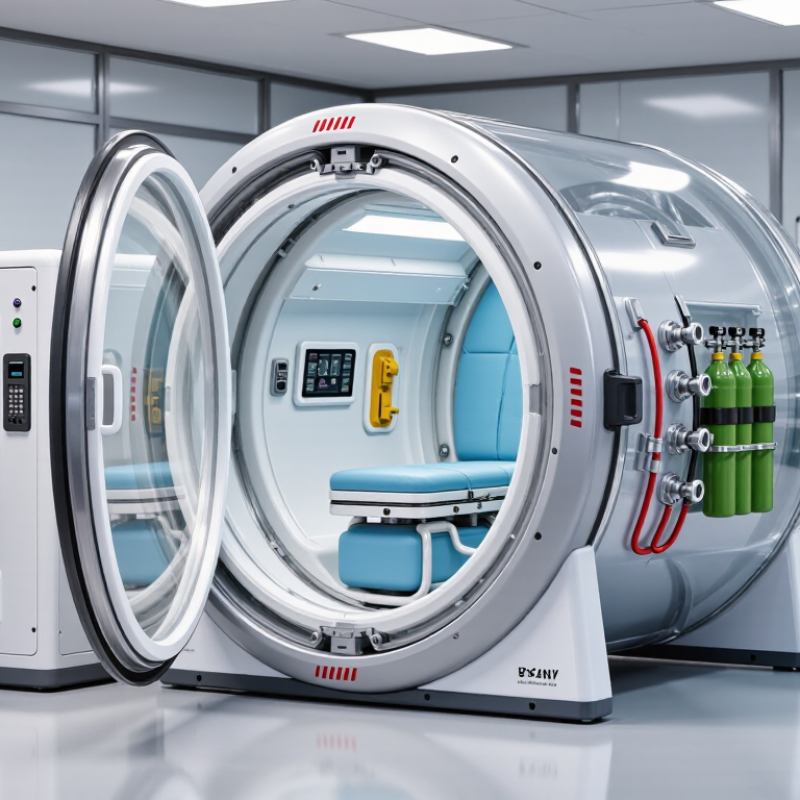
What a Mild Hyperbaric Chamber Is and How It Works
A mild hyperbaric chamber is a pressurized space designed to increase ambient pressure gently. Many systems operate around 1.3 to 1.5 atmospheres absolute, although specifications vary. The user usually breathes normal air, but some facilities provide additional oxygen under professional supervision. This difference matters when comparing equipment.
As pressure rises, more oxygen can dissolve in the liquid portion of the blood. This may support oxygen delivery to tissues while a person rests inside the chamber. The experience often feels like an airplane descent. Ears may pop, and slow pressure changes can improve comfort. A session commonly lasts 45 to 90 minutes, depending on the protocol and the person’s health.
Choosing one requires more than checking the maximum pressure. Look for clear pressure controls, reliable gauges, ventilation, fire-safety features, and an accessible emergency release. A trained operator should explain ear equalization and remain available throughout the session. Medical screening is essential, especially with lung conditions, ear problems, pregnancy, or certain implanted devices. Evidence for many wellness claims remains limited. I would not treat the chamber as a cure. I would also question vague promises, missing maintenance records, or impressive testimonials without clinical support. Ask who supervises use, how equipment is inspected, and what happens if discomfort starts. Safety details are easy to overlook. They should not be.
Key Safety Standards and User Protection Features
How to Choose a Mild Hyperbaric Chamber? Key Safety Standards and User Protection Features
A mild hyperbaric chamber should be judged by protection features, not pressure claims alone. The U.S. Food and Drug Administration reported 27 hyperbaric-device fires between 2009 and 2024. These incidents included one death and one serious injury. Oxygen-rich environments can accelerate ignition, even at relatively low pressures. Keep this risk visible.
Look for a pressure vessel designed and tested under ASME PVHO-1 principles. This standard addresses materials, structural integrity, inspection, and pressure testing. NFPA 99 also provides guidance for hyperbaric facilities, fire protection, electrical systems, and oxygen control. Requirements may differ by location. Ask for current test records, not only a sales certificate. A clear emergency-release mechanism matters. The door should open quickly from inside and outside. A pressure gauge should remain readable from the user’s position.
User protection also depends on operational details. The chamber should have continuous communication, ventilation, temperature monitoring, and documented cleaning procedures. Avoid static-prone clothing, electronic devices, oils, and unapproved materials. The Undersea and Hyperbaric Medical Society emphasizes trained supervision and appropriate medical screening for hyperbaric exposure. That guidance is easy to overlook with home-use equipment. I would also verify whether the operator understands pressure equalization, ear discomfort, and emergency decompression.
Marketing language can sound reassuring. It is not a safety test. A practical inspection may reveal loose cables, unclear instructions, or weak maintenance logs. Those small defects deserve attention. Safety is never perfectly passive; users and operators must keep checking it.
How to Compare Chamber Types, Materials, and Pressure Levels
Choosing a mild hyperbaric chamber requires more than comparing appearance and price. Start with the chamber type. Soft-sided models are lighter and easier to store, but their flexible structure may feel restrictive. Rigid chambers usually offer clearer visibility, stronger frame support, and more consistent shape. Portable convenience matters, but it should not outweigh ventilation, emergency access, or professional supervision.
Material quality deserves close inspection. Look for medical-grade, flame-resistant fabric, reliable zippers, reinforced seams, and transparent windows that resist clouding. Ask how the chamber is cleaned and whether replacement parts are available. A smooth interior is easier to inspect after each session. Small details matter.
Pressure needs careful comparison. Mild systems often operate around 1.3 to 1.5 ATA, but the suitable level depends on the user and clinical purpose. Higher pressure is not automatically better. Confirm the actual working pressure, pressure-control method, oxygen delivery system, and alarm functions. A gauge should be easy to read from inside and outside. Test the controls before regular use.
Do not rely on marketing language alone. Request test records, user instructions, maintenance schedules, and independent safety certifications. A chamber that feels comfortable during a short demonstration may become tiring after repeated sessions. I would also question any promised health outcome. Evidence can be limited, and individual responses vary. Discuss pressure exposure with a qualified healthcare professional, especially when ear, lung, cardiovascular, or medication concerns exist.
| Comparison Dimension | Soft-Sided Mild Chamber | Rigid Monoplace Chamber | Multiplace Chamber |
|---|---|---|---|
| Typical Pressure Range | Commonly designed for approximately 1.3–1.5 ATA. The exact maximum depends on the model and its certification. | Often capable of pressures above the mild range, commonly around 1.5–3.0 ATA or more, depending on the system. | Generally designed for clinical treatment pressures, often about 2.0–3.0 ATA or higher, depending on the facility and chamber. |
| Meaning of ATA | ATA means atmospheres absolute. 1.0 ATA is normal atmospheric pressure at sea level; 1.5 ATA is approximately 50% higher than normal atmospheric pressure. | Uses the same ATA measurement, with more precise control at higher pressures. | Uses the same ATA measurement and is usually operated by trained clinical staff. |
| Chamber Structure | Flexible, inflatable enclosure supported by internal pressure. It is usually entered through a zippered or sealed opening. | Rigid, pressurized enclosure intended for one person. The patient may lie down or sit, depending on the design. | Rigid chamber designed for several occupants, usually with a staff member inside during treatment. |
| Common Materials | Often uses reinforced PVC-coated fabric, thermoplastic polyurethane, transparent panels, and pressure-rated seals. | Commonly uses acrylic viewing sections, steel or aluminum structural components, pressure-rated windows, and engineered seals. | Typically uses steel or aluminum structures, acrylic viewing windows, pressure-rated doors, and dedicated life-support systems. |
| Breathing Gas | May use chamber air, an oxygen concentrator, or an oxygen mask. A concentrator may deliver oxygen-enriched gas, but the exact concentration varies with equipment and flow rate. | May provide medical oxygen through a mask or hood, or pressurize the chamber with air and provide oxygen separately. The configuration must be verified before purchase. | Usually provides oxygen through masks, hoods, or other delivery systems while the chamber is pressurized with air. Gas delivery is managed by trained personnel. |
| Pressure Control | Usually has slower compression and decompression, manual or semi-automatic controls, pressure gauges, relief valves, and emergency venting provisions. | Normally provides more accurate automated pressure control, alarms, monitoring, and emergency release functions. | Provides advanced pressure, ventilation, communication, and emergency-control systems operated by trained staff. |
| Patient Capacity | Usually one person; some larger designs may accommodate more than one occupant, but capacity must match the certification. | One person. | Several patients, with capacity determined by the chamber design and local regulations. |
| Installation Requirements | Usually requires less space and infrastructure, but still needs adequate ventilation, a stable floor, electrical safety, and sufficient clearance around the unit. | Requires a suitable room, structural assessment, electrical service, ventilation, fire protection, and professional installation. | Requires substantial dedicated space, engineered installation, medical-gas or ventilation systems, fire protection, and facility-level support. |
| Portability | Generally the easiest type to relocate or store, although frequent movement may increase wear on seams, zippers, and connectors. | Usually not portable after installation because of its weight and infrastructure requirements. | Permanent facility equipment and not suitable for routine relocation. |
| Visibility and Comfort | Often provides a transparent viewing area and a more spacious, less clinical environment, but entry and exit may be less convenient for some users. | Provides a stable treatment environment and may offer wider access, integrated communication, and adjustable patient positioning. | Allows staff supervision and communication during treatment and may be preferable for patients requiring closer observation. |
| Best-Suited Use | Home or wellness settings where a low-pressure system is appropriate and a qualified professional has reviewed the user’s suitability. | Medical or clinical settings requiring precise control, higher pressures, and more structured monitoring. | Hospitals or specialized centers treating multiple patients or patients needing continuous clinical support. |
| Evidence and Intended Claims | Evidence for mild hyperbaric applications is limited and condition-specific. Be cautious of claims that it can treat a broad range of diseases. | May be used for recognized medical indications when prescribed and supervised according to applicable clinical protocols. | Usually used for established medical indications under specialist supervision and facility protocols. |
| Key Safety Considerations | Check oxygen concentration, maximum operating pressure, pressure-relief systems, fire-safety controls, emergency procedures, and user training. Never use unauthorized flammable materials or electrical devices inside. | Requires formal screening for conditions such as untreated pneumothorax, careful oxygen and fire-risk management, and trained operation. | Requires comprehensive medical screening, oxygen-fire precautions, emergency planning, continuous monitoring, and trained clinical staff. |
| Maintenance Priorities | Inspect fabric, seams, windows, zippers, valves, gauges, oxygen tubing, and relief systems regularly. Follow the manufacturer’s inspection and service schedule. | Require scheduled inspection of pressure vessels, seals, windows, valves, oxygen systems, alarms, and emergency functions by qualified personnel. | Requires documented preventive maintenance, pressure-vessel inspection, life-support testing, fire-system checks, and regulatory compliance. |
| Questions to Ask Before Purchase | What is the certified working pressure? What gas is delivered? Is the system intended for home use? What emergency-release and fire-safety features are included? Are replacement parts and service available? | What medical standards apply? Which monitoring functions are included? Who will install and maintain the chamber? What clinical training is required? | What facility approvals, staffing, ventilation, oxygen supply, emergency procedures, and maintenance contracts are required? |
| Practical Selection Priority | Choose only after confirming pressure certification, oxygen configuration, fire safety, emergency access, user suitability, and realistic treatment goals. | Choose when precise pressure control, clinical monitoring, and broader treatment capability are more important than portability. | Choose when multiple-patient capacity, continuous staff support, and hospital-level treatment infrastructure are required. |
How to Match Chamber Features to Personal Needs
How to Choose a Mild Hyperbaric Chamber?
How to Match Chamber Features to Personal Needs
Choosing a mild hyperbaric chamber should begin with your daily routine, not attractive specifications. A person recovering at home may need easy entry, quiet operation, and enough space for comfortable breathing. Someone using it regularly may value simple cleaning and reliable temperature control. Measure the room first. A chamber that barely fits can become difficult to use.
Consider whether you prefer lying down or sitting upright. A seated design may suit reading or short sessions. A larger lying chamber may feel less restrictive, especially for taller users. Check the pressure range, ventilation system, visibility, and emergency release. These details matter when a session lasts nearly an hour. They are easy to overlook.
Safety information deserves careful attention. Ask for clear operating instructions, maintenance guidance, and documented testing from qualified professionals. Mild pressure does not mean zero risk. Ear discomfort, anxiety, and breathing problems can occur. People with certain medical conditions should seek advice from a licensed healthcare professional before use. The chamber should support a care plan, not replace diagnosis or treatment.
My first instinct would be to choose the roomiest model. That is not always practical. A smaller chamber may be easier to install and maintain, yet feel uncomfortable over time. Comfort, evidence, support, and personal tolerance must be weighed together. No checklist is perfect. Your needs may change after the first few sessions.
How to Choose a Mild Hyperbaric Chamber?
How to Match Chamber Features to Personal Needs
How to read the chart: Generic mild hyperbaric chambers are commonly designed around approximately 1.3–1.5 ATA. A portable seated chamber may suit users who prioritize compact storage and easier setup, while a lying chamber may offer greater comfort during longer sessions. Higher pressure does not automatically mean better suitability.
Before choosing a chamber, compare the certified operating pressure, internal dimensions, ventilation, emergency-release system, ease of entry, and compatibility with your healthcare provider’s guidance. Mild hyperbaric chambers are not equivalent to hospital-based hyperbaric oxygen therapy, and pressure or oxygen use should follow qualified medical advice.
How to Evaluate Installation, Maintenance, and Total Cost
How to Choose a Mild Hyperbaric Chamber?
Installation affects safety, reliability, and the real purchase price. Measure doorways, ceiling height, floor strength, and ventilation before ordering. A qualified installer should check electrical capacity, emergency access, pressure controls, and room temperature. Delivery may require lifting equipment or structural adjustments. These details are easy to overlook. They should not be.
Maintenance costs continue after installation. Ask how often seals, valves, gauges, filters, and compressors need inspection or replacement. Request clear service records and a written warranty. Staff should receive practical training on pressurization, depressurization, cleaning, and emergency procedures. Follow the operating manual and applicable local requirements. A chamber that looks simple may still need skilled attention.
Tips: Compare the full three-year cost, not only the purchase price. Include shipping, installation, electrical work, training, cleaning supplies, inspections, repairs, and downtime. Ask whether replacement parts remain available. Check who provides technical support and how quickly they respond. I would also request references from facilities with similar usage. A cheaper option may become expensive after one major repair. Review the numbers twice. Then question your assumptions.
