How to Choose the Best Racking System for Your Needs?
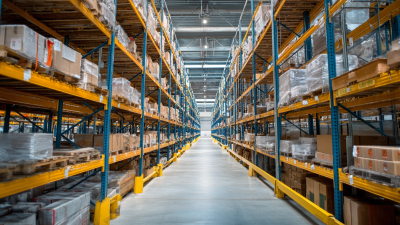
Choosing the right racking system is crucial for any storage operation. It directly impacts efficiency and space utilization. Every warehouse or retail space has unique requirements. You must consider factors such as weight capacity and item dimensions. A well-chosen racking system can optimize workflow and reduce clutter.
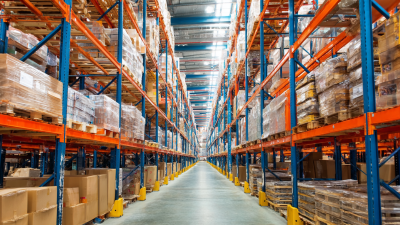
Each type of racking has its advantages and disadvantages. For example, pallet racks are popular for bulk items but may not fit all spaces. Drive-in racks offer high density but can complicate access. Consider the flow of your operations. This will help you select an effective solution.
Investing time in research pays off. Expert advice is invaluable when navigating options. Sometimes, what seems ideal may not be practical. Reflect on your needs and constraints. Every detail counts when making this decision. A racking system that fits today may not serve you tomorrow. Keep scalability in mind as you make your choice.
Understanding Your Storage Requirements and Space Constraints
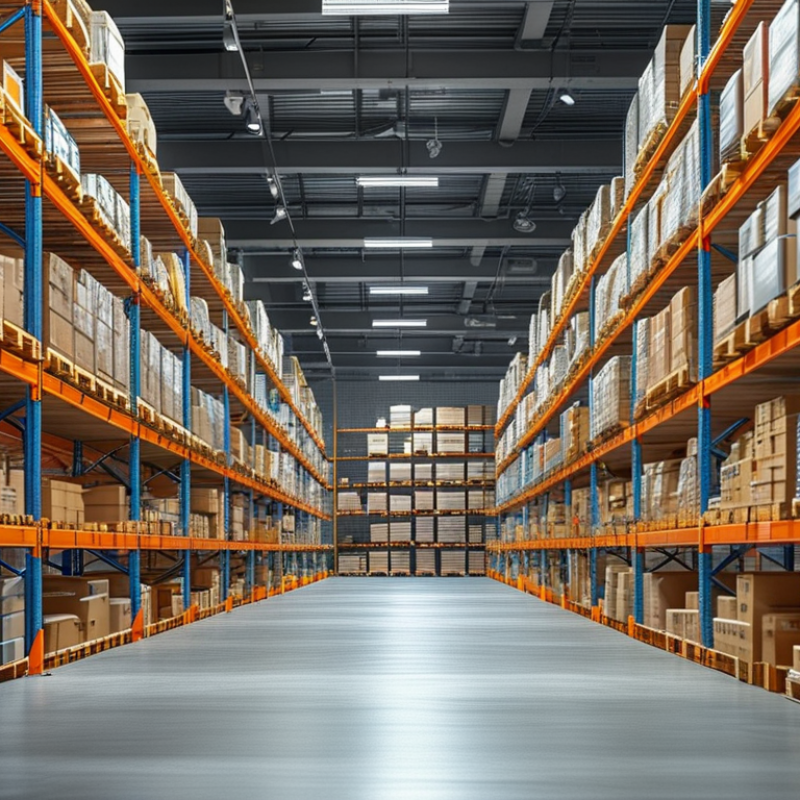
When selecting a racking system, understanding your storage requirements is crucial. Assess your inventory size and the types of products you handle. Are they bulky or small? Do you need easy access or high-density storage? A clear picture of these factors will guide your choice effectively.
Space constraints are equally important. Measure your storage area meticulously. Consider ceiling height, aisle width, and potential obstructions. Tight spaces may need adjustable or mobile systems, while larger areas can accommodate heavy-duty racks.
**Tips:** Always visualize your layout before making a purchase. Sketching can reveal blind spots. Be flexible; your needs may change over time. It’s wise to seek feedback from team members who interact with the system daily. Their insights can highlight potential issues early. Remember, the right racking system enhances efficiency, but it should fit your unique environment. Balancing these elements requires some reflection on past experiences.
Types of Racking Systems: A Comparative Overview
When selecting a racking system, understanding the different types is crucial. There are several common types, including selective racking, drive-in racking, and pallet flow racking. Each serves distinct purposes and has different strengths. Selective racking is versatile and allows easy access to individual pallets. Drive-in racking maximizes space but may complicate access. Pallet flow racking offers a first-in-first-out system, ideal for perishable goods.
Tips for choosing the right system hinge on your specific needs. Assess your inventory turnover rate and the weight of your products. Consider the space available and the layout of your storage area. It's essential to evaluate the accessibility and safety features of each racking type. Poorly designed racks can lead to safety hazards and inefficiencies.
Understanding your specific needs is vital. Not every racking system will suit all warehouses. Reflect on your business growth and future needs. Avoid rushing the decision-making process; thorough evaluation leads to better outcomes. A thoughtful approach will ensure efficient storage for years to come.
Assessing Load Capacities and Weight Distributions
When assessing load capacities and weight distributions for racking systems, it's crucial to understand the specifics of your inventory. Different items have varying weights and sizes. For example, heavy pallets need robust racking. Conversely, lightweight items may require less sturdy options. It's essential to perform a thorough inventory analysis before selecting a racking system.
Consider the dimensions of each product. Measure the height, width, and depth. This information helps to distribute weight evenly across the racking structure. An unbalanced load can lead to safety hazards, such as collapses or tipping. Pay attention to vertical space too; maximizing storage height can optimize warehouse efficiency.
Always think about future needs. Current load capacities may suffice, but growth is inevitable. Choose a system that can adapt to changes in inventory. A flexible approach helps avoid costly upgrades later. Regularly review load distributions to ensure safety and compliance. Racking systems should be a part of a dynamic strategy to accommodate evolving inventory demands.
Assessing Load Capacities and Weight Distributions of Racking Systems
Evaluating Accessibility and Inventory Management Needs
When choosing a racking system, accessibility is key. Consider how often you need to access different items. High-density storage might seem ideal, but what if it complicates picking processes? Striking a balance between storage efficiency and easy access is paramount. Narrow aisles can enhance space utilization but hinder movement. Evaluate the flow of your warehouse. Is it easy for staff to reach items quickly?
Inventory management is another critical factor. Think about how you track your inventory. If you have a diverse range of products, adaptable racking systems might serve you better. Be wary of systems that don’t allow for flexibility. Regular inventory audits can highlight inefficiencies. Not every solution will fit your unique needs. Reflect on your operational goals. A racking system that works perfectly today might require adjustments in the future.
Ultimately, the best approach combines accessibility with proficient inventory management. It may entail trial and error to find what fits best. Always be ready to reassess your choices. The goal is to support both efficiency and ease of operation, ensuring that your storage solutions grow with your business needs.
Budget Considerations and Long-term Investment in Racking Systems
When selecting a racking system, budget considerations play a crucial role. Reports indicate that businesses often overlook the long-term costs associated with racking solutions. The initial price may seem appealing, but ongoing maintenance can add hidden expenses. According to a recent industry analysis, maintenance costs can account for up to 20% of initial investments over ten years.
Investing in high-quality materials may require extra upfront funds. However, these systems often lead to lower repair costs and longer lifespans. For instance, steel racking systems typically come with warranties lasting 10 years or more. In contrast, cheaper alternatives may only last half that time, leading to potential replacements sooner than expected. This can strain budgets in the long run.
It's essential to assess your growth projections. A racking system designed for current needs may quickly become inadequate. Businesses that anticipate expansion should consider scalable solutions. According to recent trends, modular racking systems can adapt with minimal investment, providing flexibility and accessibility. Being mindful of these factors allows for a smarter, long-term investment approach.
How to Choose the Best Racking System for Your Needs? - Budget Considerations and Long-term Investment in Racking Systems
| Racking System Type |
Initial Cost ($) |
Long-term Maintenance Cost ($/year) |
Storage Capacity (units) |
Lifespan (years) |
| Selective Racking |
2000 |
300 |
1000 |
10 |
| Drive-in Racking |
2500 |
400 |
800 |
12 |
| Shelving Racking |
1500 |
200 |
600 |
8 |
| Cantilever Racking |
2300 |
350 |
700 |
15 |
| Pallet Flow Racking |
3500 |
500 |
900 |
12 |