

2026 Top Pallet Racking Systems Buyers Guide and Recommendations?
In the fast-evolving world of logistics, choosing the right Pallet Racking Systems is crucial for efficiency. These systems are essential for maximizing storage space and streamlining warehouse operations. With numerous options available, buyers can feel overwhelmed. Understanding key features helps make informed decisions.
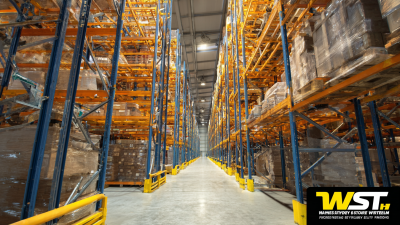
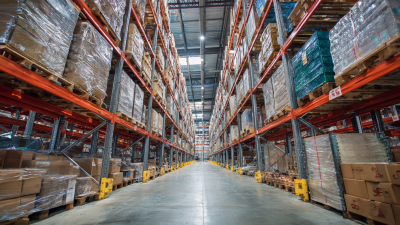
Pallet Racking Systems come in various designs, such as selective and drive-in racks. Each type serves different needs. For instance, selective racks provide easy access to each pallet, ideal for diverse inventory. Drive-in racks maximize space for large, homogeneous loads. Knowing your specific requirements is vital.
Investing in the right system can significantly impact productivity. However, mistakes in selection can lead to inefficiency and increased costs. Researching different products and consulting experts is beneficial. A well-chosen pallet rack can transform your warehouse operations. Consider your unique context and needs as you navigate the options.
Overview of Pallet Racking Systems: Types and Applications
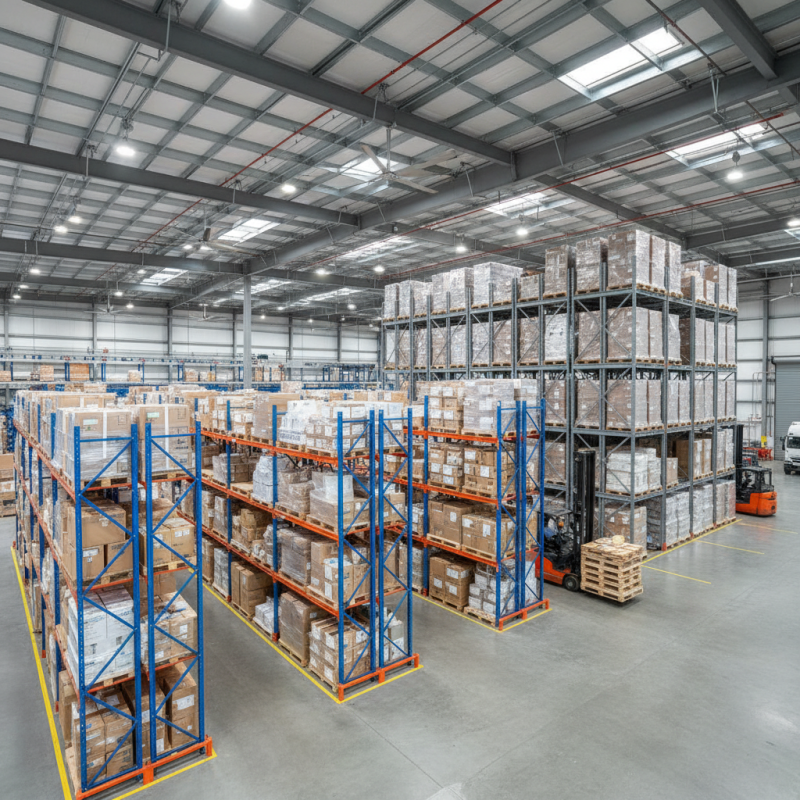
When selecting pallet racking systems, understanding the different types is crucial. There are several common configurations, including selective, drive-in, and push-back racking. Selective racking offers direct access to each pallet. This makes it ideal for warehouses with diverse inventories. Drive-in racking maximizes space by allowing pallets to be stored in deep lanes. Push-back racking combines the benefits of both, providing a good balance of storage density and accessibility.
Tips: Assess your inventory needs before choosing a system. Not all warehouses require the same racking style. Always consider future storage needs to avoid costly adjustments later.
Moreover, the application of these systems varies by industry. Cold storage facilities often require specialized racking for temperature-sensitive items. In contrast, retail operations might prioritize quick access for fast-moving products. Recognize the specifics of your operation for optimal selection.
Tips: Involve your team in the decision. Their input can highlight practical challenges that designs may overlook. Regularly reviewing your racking system's performance will help identify areas needing improvement.
Key Factors to Consider When Choosing Pallet Racking Systems
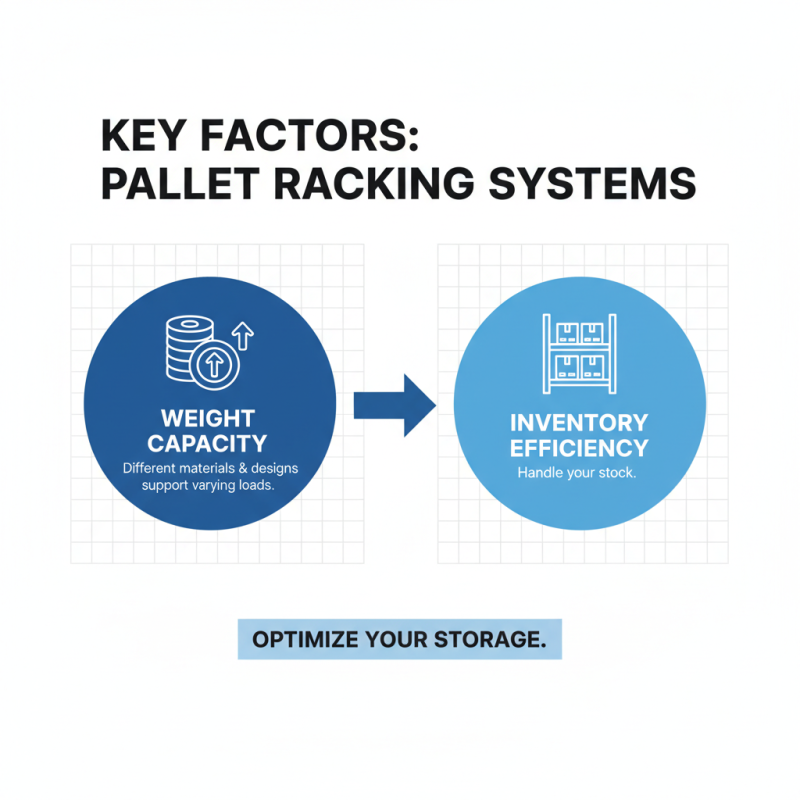
When selecting a pallet racking system, several key factors come into play. The first consideration is the weight capacity. Understanding how much weight each rack can hold is critical. Different materials and designs support varying loads. Ensure your choice can handle your inventory efficiently.
The layout of your warehouse is another crucial factor. Assess the available space and consider accessibility. Will the racking system allow for smooth workflow? Think of how forklifts will navigate through the aisles. A well-planned layout minimizes accidents and optimizes storage.
**Tip:** Conduct a real-life test of your selected layout with mock inventory. This exercise provides insight into any potential issues you may face.
Also, evaluate the flexibility of the racking system. Can it be adjusted based on evolving inventory needs? Systems that allow easy modifications can save future costs. This adaptability can be beneficial if your business expands or changes direction.
**Tip:** Gather feedback from your warehouse team. Their hands-on experience can reveal blind spots in your decision-making.
Choosing the right pallet racking system requires careful thought. Consider your specific needs, warehouse layout, and invite input from your team. Being meticulous about these factors increases efficiency and safety in your operations.
Top Brands and Models of Pallet Racking Systems for 2026
When selecting a pallet racking system for 2026, understanding the top brands and models is crucial. According to industry reports, the global pallet racking market is expected to grow significantly, reaching over $12 billion by 2026. This growth marks an increasing demand for efficient storage solutions in warehouses and distribution centers.
Current trends indicate that selective racking systems remain popular due to their versatility. These systems allow quick access to stored items, which optimizes inventory management. Additionally, drive-in racking systems are becoming favored for high-density storage. This model improves space utilization but can complicate access to individual pallets.
**Tip:** Always consider your facility layout before selecting a system. A well-optimized design can save time and costs.
Another important aspect is safety compliance. Reports indicate that a substantial percentage of warehouse accidents stem from poor racking systems. Regular inspections and stability assessments are essential to ensure safety.
**Tip:** Train staff on safety protocols related to racking systems. It minimizes risks and ensures smooth operations.
By being aware of these details, you can make informed decisions about pallet racking systems for your operations in 2026. Remember that the right choice can lead to enhanced efficiency and productivity.
2026 Top Pallet Racking Systems Market Overview
Cost Analysis: Budgeting for Pallet Racking Systems
When budgeting for pallet racking systems, cost analysis is critical. Pallet racks come in various styles, each with a different price range. The initial cost often covers the frames, beams, and accessories. However, installation and maintenance should also be included in your budget. Complex systems may require professional installation, which can drive up expenses.
Consider the long-term costs associated with these systems. Think about potential repairs, inspections, and modifications as your inventory needs change. Some budget-conscious buyers might overlook these recurring expenses, leading to financial strain later. Regular evaluations can prevent costly surprises down the road.
Additionally, analyze the efficiency of your space utilization. Poorly designed racking systems can cause workflow disruptions and inventory mismanagement. Not every low-cost option will meet specific operational needs. Reflect on your warehouse layout and choose a system that maximizes storage while minimizing future costs.
Safety Standards and Regulations for Pallet Racking Systems
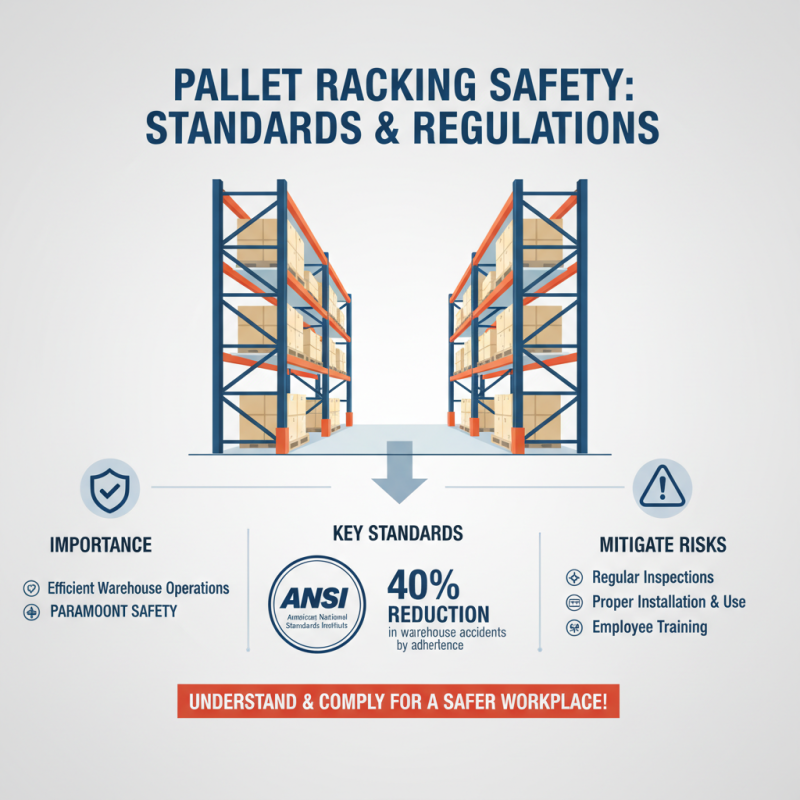
Pallet racking systems are essential for efficient warehouse operations. However, ensuring safety is paramount. According to the American National Standards Institute (ANSI), adherence to safety standards can reduce warehouse accidents by up to 40%. Understanding safety regulations helps mitigate risks.
Inspecting racking systems regularly is crucial. Look for signs of wear and tear, such as bent beams or loose connections. The Occupational Safety and Health Administration (OSHA) mandates that warehouses conduct regular inspections. These inspections should be documented. This practice not only ensures compliance but also enhances safety culture.
Tips for maintaining safety: Always train employees on racking safety measures. Ensure everyone understands load limits. Use protective equipment where necessary. The National Institute for Occupational Safety and Health (NIOSH) notes that inadequate training can lead to serious incidents. Evaluate your workplace environment and recognize potential hazards. Take proactive steps to address them. Regular audits can enhance safety and improve efficiency in your operations.
Related Posts
-
How to Maximize Storage Space with Warehouse Shelving Racks for Optimal Efficiency
-

Unlock Global Supply Chain Success with China's Premier Commercial Storage Racks
-

Future Warehouse Racking Trends in 2025 and Its Advantages for Global Buyers
-
Innovative Technologies Shaping Best Warehouse Shelving Systems in 2025 and How to Adapt
-
Unlocking Efficiency with the Best Warehouse Pallet Racking System Benefits for Global Buyers
-
Exploring the Unique Features and Applications of Best Warehouse Storage Racks: A Comprehensive How-To Guide