10 Best Wax Candles for Wholesale Buyers?
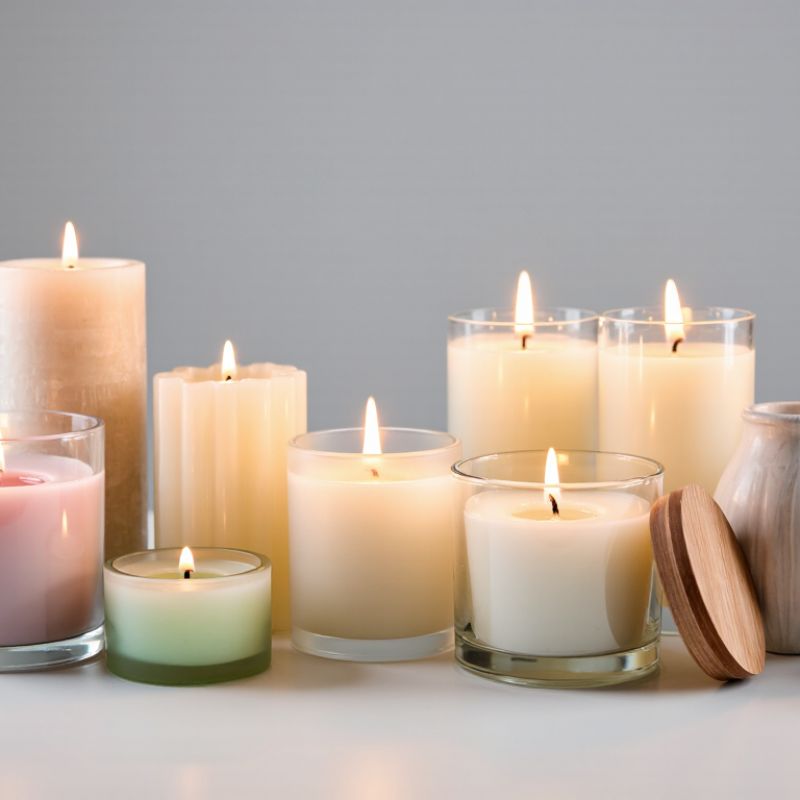
Choosing the right Wax Candles for wholesale requires more than comparing scents and surface finishes. Buyers must examine burn time, wax composition, wick performance, packaging, and supplier consistency. A candle may look elegant in a showroom yet tunnel badly after two hours. That mistake becomes expensive when hundreds of units reach customers.
Kathy LaVanier, a respected candle-industry educator and former National Candle Association president, has said, “A quality candle begins with a controlled, consistent burn.” Her point remains practical. Wholesale buyers need products that perform reliably across different rooms, climates, and customer habits. Soy, paraffin, beeswax, coconut, and blended formulas each create different results. Some offer a smooth finish. Others provide stronger scent throw or longer shelf stability.
Small details matter. Check the melt pool. Inspect wick centering. Test the lid, label, and shipping carton. Ask for batch records and safety documentation. Do not trust attractive photography alone.
Real testing is necessary.
This guide reviews ten Wax Candles suited to wholesale purchasing, focusing on usability, presentation, supplier value, and repeat-order potential. It also considers weaknesses, because no candle performs perfectly in every setting. A heavily scented candle may overwhelm a small boutique. A natural wax may cost more and show frosting. A low price can hide inconsistent workmanship.
The best choice is not always the cheapest or most luxurious. It is the candle that gives retailers dependable quality, clear margins, and fewer customer complaints. Wholesale success is built through evidence, not assumptions.
Wholesale Evaluation Criteria: MOQ, Unit Cost, Burn Time, and Gross Margin
When evaluating wax candles for wholesale, start with landed cost, not the factory quote. A low unit price can hide packaging, inspection, freight, and damaged-carton allowances. Compare the MOQ with your shelf space and cash cycle. An MOQ of 500 units may look efficient, but it can trap capital for months. Ask for tiered pricing at 100, 300, and 500 units. Then calculate gross margin using realistic selling prices. Gross margin equals wholesale selling price minus landed cost, divided by selling price. At a $6 landed cost and $10 selling price, the margin is 40 percent. That figure changes quickly when freight rises.
Burn time needs practical verification. Request samples from different production batches when possible. A candle claiming 45 hours should be tested in a controlled room, using the recommended burn cycle. Record tunneling, soot, wick stability, scent strength, and the remaining wax. Do not rely only on a product sheet. A ten-hour burn-time difference can affect customer complaints and repeat orders. Testing also reveals small flaws, such as uneven surfaces or loose labels. These details are easy to overlook.
Tips: Build a simple spreadsheet with MOQ, unit cost, freight, packaging, burn time, and expected margin. Leave a small allowance for defects. I have found that projected margins often look better before real shipping invoices arrive. Recheck the numbers after receiving a sample carton. A candle that burns beautifully may still be commercially weak if its MOQ is too high.
Wax Types Compared: Soy, Paraffin, Beeswax, Palm, and Coconut Blends
10 Best Wax Candles for Wholesale Buyers?
Wax Types Compared: Soy, Paraffin, Beeswax, Palm, and Coconut Blends
Wholesale buyers should compare wax by performance, not appearance alone. Soy wax burns slowly and creates a soft, creamy finish. It suits customers seeking plant-based materials. However, soy can frost, soften in warm storage, and show uneven tops. Paraffin offers strong scent release and reliable color. It usually performs consistently across larger production runs. Some buyers may still avoid it because it comes from petroleum.
Beeswax provides a naturally warm tone and a gentle honey-like aroma. It burns steadily but costs more and may limit fragrance choices. Palm wax can create attractive crystal patterns and firm candles. Its sourcing requires careful supplier verification. Coconut blends often produce a smooth surface and excellent scent distribution. They may also improve the softer qualities of soy wax. The formula matters more than the label.
I once judged a candle only by its first burn. That was a mistake. Wholesale testing should include three complete burns, storage checks, and wick evaluation. Record melt-pool width, flame height, soot, and remaining wax. Test each wax in the final container, not only in a sample mold. A beautiful candle can still tunnel badly. Ask suppliers for batch records, ingredient details, and safety documentation. Small variations happen. Your testing process should reveal them before shipment.
Burn-Time Benchmarks: 40–60 Hours for Standard 8-Ounce Jar Candles
For wholesale buyers, a standard 8-ounce jar should normally deliver 40–60 hours of burn time. This range is a practical purchasing benchmark, not a guaranteed industry rule. The National Candle Association identifies wax type, wick selection, fragrance load, and container diameter as major performance factors. A narrow jar may burn longer than a wide jar with the same wax weight.
Professional testing matters more than a printed claim. ASTM F2417 covers candle fire-safety performance, but it does not establish one universal burn-time requirement. Suppliers should conduct controlled tests using trimmed wicks, stable room temperatures, and repeated samples. Record total hours, melt-pool width, soot, and flame height. Test at least three candles per batch. One candle can be misleading.
Wax choice changes the result. Paraffin often provides consistent melt behavior, while vegetable-based waxes may require different wick designs and curing periods. Fragrance oil can also reduce performance when the load is excessive. Euromonitor International’s 2024 home-fragrance analysis indicates that candles remain a major consumer category, increasing pressure for reliable product claims. Buyers should request batch records, safety documentation, and actual burn-test results. A 60-hour label sounds attractive. Still, an uneven flame or heavy soot creates returns, complaints, and lost shelf space. The benchmark needs context.
Safety and Compliance: ASTM F2417, EN 15493, and IFRA Fragrance Limits
For wholesale buyers, the best wax candles are not chosen by appearance alone. Safety records deserve equal attention. ASTM F2417 provides fire-safety guidance for candle design, burning behavior, and labeling. EN 15493 addresses candle fire safety within the European market. These standards are not interchangeable, and they may not replace local requirements.
Ask suppliers for recent test reports, technical files, and batch details. Check whether testing covered the actual wax, wick, fragrance load, vessel, and lid. A small wick change can create a large flame. During evaluation, observe soot, flame height, vessel temperature, and melt-pool behavior. Record results with photographs and burn times. An attractive sample can still perform poorly after several hours.
Fragrance compliance needs careful verification. Request an updated IFRA conformity document for the exact fragrance formula. Confirm the intended product category and the maximum permitted level in the finished candle. Do not confuse the fragrance supplier’s recommended dosage with the IFRA limit. Calculate the final percentage in wax, then review the candle’s warning label and safety instructions. A certificate may look complete while missing a formula revision or product category. That is an easy detail to overlook. For larger orders, repeat testing when wax, wick, fragrance, vessel, or packaging changes. Independent laboratory review adds useful confidence, although it cannot replace responsible supplier oversight.
10 Best Wax Candles for Wholesale Buyers? — Safety and Compliance: ASTM F2417, EN 15493, and IFRA Fragrance Limits
| No. | Candle Format | Common Wax Construction | Typical Net Fill | Typical Burn-Time Range* | Wholesale Advantages | Key Safety Checks | ASTM F2417 | EN 15493 | IFRA Fragrance Requirement | Recommended Buyer Documentation |
|---|---|---|---|---|---|---|---|---|---|---|
| 1 | Container Jar Candle | Soy, paraffin, or soy–paraffin blend | 180–350 g | 30–60 hours | High perceived value, good surface area for labeling, and suitable for gift and home-fragrance programs. | Container heat resistance, wick centering, flame height, soot control, adhesion, and end-of-burn behavior. | Applicable safety benchmark Obtain test evidence for the finished candle system. | Applicable European benchmark Verify fire-safety testing for the finished product. | Finished candle fragrance use is generally assessed under IFRA Category 12. The maximum concentration is ingredient- and fragrance-specific; follow the current supplier-issued IFRA Certificate of Conformity. | Wax specification, wick specification, vessel heat-test report, burn-test report, SDS where applicable, label artwork, and IFRA certificate. |
| 2 | Pillar Candle | Hard paraffin, beeswax, soy pillar blend, or vegetable pillar blend | 250–700 g | 35–90 hours | Self-supporting format with strong visual impact and no glass packaging requirement. | Stable base, controlled melt pool, side-wall integrity, flame height, secondary ignition, and safe clearance from combustibles. | Applicable safety benchmark Design and burn testing should address the complete pillar construction. | Applicable European benchmark Use testing appropriate to the pillar dimensions and wick. | Use IFRA Category 12 guidance for the finished candle. Do not use a generic fragrance percentage in place of the fragrance supplier’s current maximum-use level. | Wax technical data, wick data, dimensional drawings, burn-test records, warning-label review, and fragrance compliance documentation. |
| 3 | Tealight Candle | Paraffin or low-shrinkage vegetable wax in a metal or plastic cup | 10–18 g | 3–6 hours | Low unit cost, efficient case packing, and strong suitability for hospitality, events, and multipacks. | Cup stability, wick tab security, overheating of the holder, flame height, complete consumption, and pack ventilation. | Applicable safety benchmark Test the candle together with its holder and packaging configuration. | Applicable European benchmark Verify safe burning in the supplied holder. | Fragrance use falls under IFRA Category 12 when the product is an air-freshening candle. Confirm the exact maximum level for each fragrance formulation. | Holder material declaration, wick-tab information, multi-unit burn test, packaging specification, warning text, and IFRA documentation. |
| 4 | Votive Candle | Paraffin, soy blend, or other formulated votive wax | 45–75 g | 10–20 hours | Compact retail format with good fragrance throw when used in a correctly sized votive holder. | Required holder use, melt-pool containment, flame height, wick stability, and resistance to tipping. | Applicable safety benchmark Assess the candle and intended holder as a use system. | Applicable European benchmark Confirm instructions for use and fire-safety performance. | Apply IFRA Category 12 limits from the current fragrance documentation. The wax type does not determine the IFRA limit by itself. | Holder compatibility statement, burn-test report, user instructions, safety label, wax data, and IFRA Certificate of Conformity. |
| 5 | Taper or Dinner Candle | Paraffin, beeswax, stearin, or blended taper wax | 45–90 g | 6–12 hours | Suitable for table settings, seasonal collections, restaurants, and premium decorative assortments. | Vertical stability, drip behavior, flame height, wick trimming instructions, holder fit, and distance from flammable materials. | Applicable safety benchmark Finished-product burn testing is important because the candle is freestanding and exposed. | Applicable European benchmark Verify fire safety, stability, and consumer instructions. | If fragranced, use the applicable IFRA Category 12 certificate and respect any lower limit caused by restricted fragrance ingredients. | Diameter and stability measurements, holder-fit guidance, burn-test results, warning label, wax specification, and fragrance certificate. |
| 6 | Travel Tin Candle | Soy, paraffin, or vegetable wax blend in a coated metal tin | 100–250 g | 18–40 hours | Lightweight, stackable, and generally less fragile than glass, making it convenient for shipping and subscription assortments. | Tin coating and heat resistance, lid clearance, wick centering, hot-surface warning, and prevention of flame contact with the lid. | Applicable safety benchmark Test the actual tin, wax fill, wick, and lid combination. | Applicable European benchmark Verify fire safety and safe-use instructions for the metal container. | Use the fragrance supplier’s current Category 12 maximum for candles. Fragrance loading should also be validated through finished-candle burn testing. | Metal container specification, coating declaration, heat test, burn-test report, label review, SDS where applicable, and IFRA certificate. |
| 7 | Coconut-Wax Blend Candle | Coconut wax blended with soy, paraffin, or other compatible waxes | 180–350 g | 30–60 hours | Smooth appearance and premium positioning when supported by consistent batch performance. | Wick compatibility, frosting or surface changes, melt-pool diameter, flame height, container temperature, and repeatability across batches. | Applicable safety benchmark Compliance depends on the finished formula, not on the “coconut wax” description alone. | Applicable European benchmark Use finished-product testing for the selected vessel and wick. | IFRA Category 12 applies to the candle format. Check the current certificate for each fragrance because maximum levels vary by formulation and ingredient restrictions. | Blend composition range, batch specification, wick matrix, vessel test, burn-test report, warning label, and fragrance compliance records. |
| 8 | Beeswax Candle | Natural beeswax or beeswax blended with harder waxes | 60–300 g | 12–50 hours | Natural-material positioning, distinctive color, and suitability for seasonal or premium collections. | Wax purity and consistency, wick sizing, flame height, dripping, stability, smoke or soot performance, and allergen-related labeling review where relevant. | Applicable safety benchmark Natural wax content does not replace finished-candle fire-safety testing. | Applicable European benchmark Confirm fire-safety performance for the specific beeswax formulation. | Unscented candles have no added fragrance limit. For scented versions, apply the current IFRA Category 12 certificate for the fragrance mixture. | Beeswax composition statement, supplier specification, origin or purity records where claimed, burn test, warning label, and IFRA certificate if scented. |
| 9 | Gel Candle | Combustible mineral-oil-based gel with an approved candle wick and container | 150–350 g | 25–60 hours | Transparent appearance allows decorative inclusions and differentiated visual merchandising. | Gel compatibility, inclusion safety, container temperature, wick stability, flame height, secondary ignition, and strict control of embedded materials. | Applicable safety benchmark Use a documented test program specific to gel candles and decorative inclusions. | Applicable European benchmark Verify the complete gel, container, wick, and decoration assembly. | For scented gel candles, use the current IFRA Category 12 fragrance certificate and verify that the fragrance is compatible with the gel system. | Gel technical data, inclusion-material safety assessment, container heat test, burn-test report, SDS where applicable, and IFRA documentation. |
| 10 | Multi-Wick Container Candle | Soy, paraffin, coconut, or blended wax formulated for two or more wicks | 300–700 g | 25–55 hours | Large flame presentation, strong decorative impact, and suitability for premium home-fragrance programs. | Wick spacing, synchronized flame behavior, total heat output, vessel temperature, full melt-pool control, and end-of-burn safety. | Applicable safety benchmark Test all wicks burning simultaneously in the final vessel. | Applicable European benchmark Confirm fire safety under the intended multi-wick burn conditions. | Apply IFRA Category 12 limits to the total fragrance concentration in the finished candle; do not multiply the allowed fragrance level by the number of wicks. | Vessel and lid specification, multi-wick burn-test report, wick layout, thermal assessment, warning label, wax data, and current IFRA certificate. |

The 10 Best Wholesale Candles Ranked by Quality, Demand, and Profit Potential
For wholesale buyers, quality must survive transport, storage, and repeated customer use. This ranking weighs burn performance, current demand, packaging appeal, and realistic profit potential. I also consider supplier consistency, because one excellent sample proves little.
1. Soy wax candles rank highest for clean presentation and broad demand. They offer smooth surfaces, steady fragrance release, and strong gift appeal. 2. Coconut-soy candles feel premium and often support higher retail pricing. Their margins can be attractive, but wax costs fluctuate. 3. Beeswax candles earn trust through natural color, subtle scent, and long burn time. Demand is smaller, yet specialty shops may accept better margins. 4. Soy-paraffin blends provide dependable burning and lower production costs. They suit larger orders and price-sensitive retailers.
5. Rapeseed wax candles appeal to buyers seeking plant-based alternatives. Their creamy finish photographs well for online listings. 6. Palm-free vegetable wax blends can attract sustainability-focused customers. Verify sourcing records carefully. Claims need evidence. 7. Paraffin candles remain commercially useful because they hold color and fragrance reliably. Their lower price supports volume sales, though some buyers may avoid them. 8. Unscented pillar candles serve events, restaurants, and home décor suppliers. They are simple, stable, and easy to bundle.
9. Textured wax candles create strong shelf impact. However, uneven surfaces can increase damage during shipping. 10. Small travel tins offer accessible pricing and repeat-purchase potential. Their profit depends heavily on lid quality and shipping weight. Before committing, request burn-test results, fragrance specifications, wick details, and carton measurements. I would test a small shipment first. Mistakes still happen. A supplier with consistent records is usually more valuable than a dramatic sample.